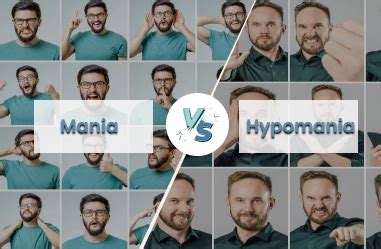
Spotting Hypomania vs. Mania: A Clear Guide This is super important, guys! When we talk about mood disorders, especially conditions like bipolar disorder, understanding the nuances between
hypomanic vs manic symptoms
is absolutely crucial. It’s not just about medical jargon; it’s about getting the right diagnosis, the right treatment, and ultimately, living a better, more stable life. Many people often confuse these two states, or sometimes don’t even realize there’s a difference, but trust me,
the distinction is vital
for anyone navigating these waters. We’re going to dive deep today, breaking down what makes each episode unique, how they impact your life, and why knowing the difference can be a game-changer. So, let’s get comfy, and figure out how to clearly spot the signs and understand the implications of both hypomania and mania. It’s all about empowering ourselves with knowledge, right? Knowing these differences can help you or your loved ones communicate more effectively with healthcare professionals, leading to a much clearer path toward wellness. Think of it as decoding a very personal and impactful part of mental health, where the details truly make all the difference. ## What Exactly Are Mood Episodes, Anyway? Alright, before we jump into the nitty-gritty of
hypomanic vs manic symptoms
, let’s quickly chat about what we mean by ‘mood episodes’ in general. Basically, a mood episode is a distinct period where your mood and behavior are significantly different from your usual self. These aren’t just everyday ups and downs; we’re talking about changes that are so profound they can affect your work, relationships, and overall daily functioning. These episodes are central to diagnosing conditions like bipolar disorder, which is characterized by shifts between elevated mood states (like mania or hypomania) and depressive episodes. It’s like your internal thermostat goes haywire, swinging from one extreme to another, making it tough to maintain a sense of equilibrium. People experiencing these episodes often feel completely out of sync with their normal selves, and sometimes, those around them notice these dramatic shifts even before they do. These mood changes aren’t simply a bad day or feeling extra happy; they represent a significant departure from an individual’s baseline emotional state, affecting their energy levels, thought processes, and decision-making capabilities in profound ways. Understanding that these are not character flaws but rather biological shifts is the first step toward empathy and effective management. It’s also important to recognize that these episodes can range in intensity and duration, which is precisely why distinguishing between the different types, like hypomania and mania, is so incredibly important for accurate diagnosis and tailored intervention strategies. Getting this foundation right sets us up perfectly to understand the specific characteristics that define each of these intense emotional experiences. ## Diving Deep into Mania: The Full-Blown Experience Let’s kick things off by really understanding
mania symptoms
, because this is often the more severe and unmistakable of the two elevated mood states. When someone is experiencing a manic episode, it’s not just feeling ‘good’ or ‘energetic’; it’s an intense, overwhelming, and often destructive period where their mood is
abnormally and persistently elevated, expansive, or irritable
. This isn’t just a few hours; for a manic episode to be diagnosed, these symptoms must be present for at least
one week
and be observable for most of the day, nearly every day, or require hospitalization. Think about it, guys – a whole week of feeling like you’re on top of the world, invincible, and perhaps, a little bit out of control. One of the hallmark
mania symptoms
is an incredibly
inflated self-esteem or grandiosity
. People might believe they have special powers, unique talents, or an important mission to fulfill. They might start ambitious, unrealistic projects, feeling utterly convinced of their success, despite all evidence to the contrary. This grandiosity can lead to very poor judgment and impulsive decisions. Another classic sign is a
decreased need for sleep
. Someone in a manic state might sleep only a few hours a night, or sometimes not at all, for days on end, yet wake up feeling completely refreshed and energized, ready to tackle the world. This isn’t just insomnia; it’s an actual biological reduction in the body’s need for rest. Their speech often becomes
pressured and rapid
, making it difficult for others to get a word in. Their thoughts race at an incredible speed, leading to
flight of ideas
, where they jump from one topic to another with seemingly illogical connections. This can make conversations incredibly challenging and frustrating for both parties.
Distractibility
is also a major player here; every little stimulus in their environment can capture their attention, making it nearly impossible to focus on one task. The energy levels are through the roof, leading to
increased goal-directed activity or psychomotor agitation
. This could manifest as non-stop working, cleaning, writing, or engaging in multiple tasks simultaneously, often without completing any of them. The impulsivity associated with mania is profoundly dangerous. People might engage in
excessive involvement in activities that have a high potential for painful consequences
. This means reckless spending sprees, unwise business investments, promiscuous sexual activity, or substance abuse. These behaviors are often driven by the feeling of invincibility and a lack of foresight regarding the repercussions. What truly sets mania apart from hypomania is the
severity of the impairment
. Manic episodes often lead to significant distress and cause marked impairment in social or occupational functioning. This means their ability to hold a job, maintain relationships, or even manage daily responsibilities becomes severely compromised. Often, hospitalization is required to ensure the person’s safety and to stabilize their mood. In some cases,
psychotic features
like hallucinations or delusions can occur, where the individual loses touch with reality. This is a critical differentiator, as psychosis is not present in hypomania. So, to sum it up,
mania symptoms
represent a full-blown, intense, and often debilitating state that significantly disrupts a person’s life and can put them at considerable risk, requiring immediate professional attention. It’s a truly overwhelming experience, both for the individual and their loved ones, where the usual guardrails of life seem to vanish completely, leading to a whirlwind of thoughts, feelings, and actions that are anything but typical. ## Understanding Hypomania: The “Milder” Side of the Coin Now, let’s pivot and talk about
hypomania symptoms
. While it shares some similarities with mania, hypomania is essentially a
milder
form of an elevated mood state. Think of it as mania’s slightly less intense, often more productive, cousin. Don’t get me wrong, it’s still a significant shift from a person’s normal baseline, but it lacks the extreme impairment and dangerous consequences often seen in full-blown manic episodes. The key to diagnosing hypomania is that these symptoms must be present for at least
four consecutive days
and be observable by others. So, it’s not just a fleeting good mood; it’s a persistent, noticeable change. Just like with mania, the mood can be
elevated, expansive, or irritable
, but the intensity isn’t as severe. Someone experiencing hypomania might feel an
increased sense of well-being and productivity
. They might have more energy than usual, feel more creative, and be able to accomplish tasks more efficiently. This is often why hypomania can sometimes be misidentified or even welcomed by the individual, as it can feel like a highly functional and positive state. You might hear people say,
