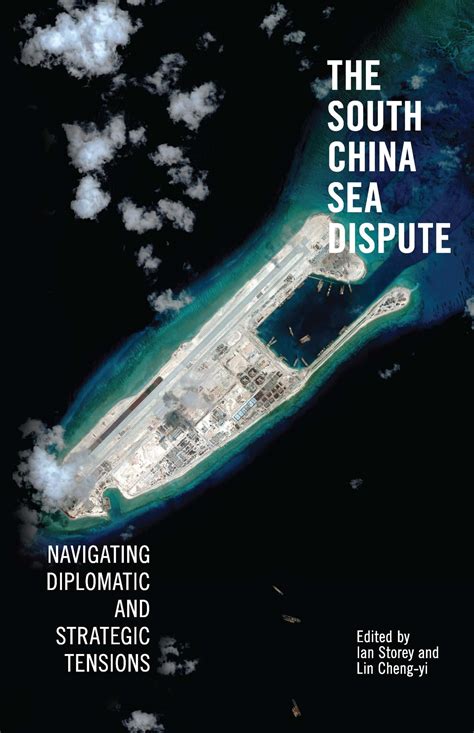
South China Sea Updates: Navigating Geopolitical TensionsHey there, guys! Ever wonder why the
South China Sea
keeps popping up in the news? It’s not just about pretty islands and crystal-clear waters; it’s a massive, complex geopolitical chessboard with huge implications for global trade, security, and international relations. Today, we’re diving deep into the latest
South China Sea updates
, exploring the intricate
geopolitical tensions
that define this crucial region. We’ll unpack the disputes, the players, and why understanding what’s happening here is more important than ever for all of us. So buckle up, because we’re about to navigate some truly choppy waters! This isn’t just dry policy talk; it’s about understanding a region that impacts everything from shipping costs to international stability. We’re talking about a significant portion of the world’s maritime trade, incredibly rich fishing grounds, and potential vast reserves of oil and natural gas – all within a contentious area where multiple nations assert overlapping claims. The
South China Sea
is a crucible of competing national interests, historical grievances, and strategic ambitions.## Why the South China Sea Matters: A Deep Dive into Its Strategic ImportanceLet’s kick things off by understanding
why the South China Sea matters
so immensely, not just to the countries surrounding it, but to the entire world. This isn’t just some remote body of water; it’s a vital artery for global commerce and a hotspot for natural resources. First and foremost, the
South China Sea
is an
economic juggernaut
, a critical gateway for a staggering
one-third of global maritime trade
. Think about that for a second: everything from oil tankers supplying energy to manufacturing hubs, to container ships laden with consumer goods heading to our shelves, passes through these waters. Billions of dollars in trade flow through these shipping lanes annually, making the
uninterrupted passage
through the South China Sea absolutely essential for the global economy. Any significant disruption here, whether due to conflict or even heightened tensions, could send shockwaves through international markets, causing delays, increasing shipping costs, and ultimately impacting our everyday lives. It’s a supply chain superhighway, and its smooth operation is paramount. Beyond its role as a trade route, the
South China Sea
also boasts immense
natural resource wealth
. Beneath its surface lie significant, and largely untapped, reserves of
oil and natural gas
. These resources are incredibly attractive to energy-hungry nations in the region, offering the promise of energy independence and economic prosperity. Imagine the stakes when multiple countries believe these valuable resources belong to them – it’s a recipe for dispute, guys. Furthermore, the waters are teeming with some of the
richest fishing grounds on the planet
, providing livelihoods for millions of people and a crucial food source for the entire Southeast Asian region. Overfishing and resource depletion are already pressing concerns, but when coupled with
territorial disputes
, the competition for these vital marine resources becomes even more intense and potentially volatile. The intersection of economic importance, critical trade routes, and vast natural resources truly underscores the strategic value of the
South China Sea
. This confluence of factors explains why so many nations, both regional and global powers, are so deeply invested in the ongoing developments and
geopolitical tensions
in this area. It’s not just about prestige; it’s about fundamental economic and energy security for entire populations. The continuous flow of goods and resources through these waters ensures stability in global markets, making any threat to this flow a concern for everyone.## The Core Disputes: Who Claims What in the South China Sea?Alright, guys, let’s talk about the
elephant in the room
: the actual
core disputes
and
territorial claims
that make the
South China Sea
such a thorny issue. It’s not a simple case of one country against another; it’s a complex web of overlapping assertions, historical arguments, and nationalistic sentiments. Basically, there are six main claimants – China, Vietnam, the Philippines, Malaysia, Brunei, and Taiwan – all vying for control over various islands, reefs, and maritime zones within this vast sea. China’s claim, often depicted by its controversial
“nine-dash line,”
is by far the most expansive, covering almost 90% of the entire South China Sea. Beijing asserts historical rights to these waters, citing ancient maps and activities, which is a significant point of contention for other nations. For them, this claim fundamentally undermines the
United Nations Convention on the Law of the Sea
(UNCLOS), an international treaty that dictates maritime boundaries and rights based on coastal proximity. This is a huge legal battleground, as guys like you and me might expect.Then you have
Vietnam
, which strongly asserts its sovereignty over both the
Paracel and Spratly Islands
, backing its claims with historical records and effective administration. These islands, scattered across the sea, are not just rocks; they’re strategically positioned, offering potential military outposts and access to crucial shipping lanes. Imagine the benefits of controlling such strategic locations, influencing global shipping and potentially projecting power. Vietnam has a long history of maritime activity in the area and views any encroachment on these claims as a direct challenge to its national sovereignty. Similarly, the
Philippines
is a major player, particularly regarding its claims to features within its Exclusive Economic Zone (EEZ), most notably the
Spratly Islands
and
Scarborough Shoal
. The latter, a rich fishing ground, has been a flashpoint for intense standoffs between Philippine and Chinese vessels. The Philippines brought a landmark case against China’s claims to the Permanent Court of Arbitration in 2016, and while the ruling overwhelmingly favored the Philippines, Beijing has consistently rejected it. This rejection by China creates a diplomatic impasse, complicating any peaceful resolution and highlighting the different interpretations of international law. This is where the international legal framework, despite its clear rulings, faces challenges in practical enforcement, especially when a powerful nation chooses to disregard it.
Malaysia
and
Brunei
also have claims, primarily in the southern part of the South China Sea, focusing on areas within their respective EEZs, often overlapping with China’s expansive nine-dash line. While their claims are generally less confrontational than those of Vietnam and the Philippines, they are nonetheless significant and underscore the multi-faceted nature of the disputes. These countries also rely heavily on the sea for resources and trade, making their claims just as vital to their national interests. Finally,
Taiwan
, which Beijing considers a renegade province, also asserts claims over the entire Spratly and Paracel Islands, essentially mirroring China’s historical claims. This adds another layer of complexity, as Taiwan’s position often aligns with Beijing’s historical arguments, even while it remains politically distinct. The intertwined nature of these claims, often rooted in differing historical interpretations and legal frameworks, creates a persistent state of
geopolitical tension
in the
South China Sea
. Each claimant believes its position is legally and historically sound, making concessions incredibly difficult and any path to resolution exceptionally challenging. It’s a real Gordian knot, and unraveling it requires incredible diplomatic finesse and a willingness from all parties to engage constructively and uphold international norms.## Recent Developments and Key Events in the South China SeaLet’s get down to the nitty-gritty of
recent developments
and the
key events
that have kept the
South China Sea
in the headlines, painting a vivid picture of the ongoing
geopolitical tensions
. Guys, this isn’t just about abstract claims; it’s about real-world incidents, sometimes tense standoffs, and significant military maneuvering that shape the daily reality of the region. One of the most consistent flashpoints involves
confrontations between China Coast Guard vessels and Philippine resupply missions
to the
Ayungin Shoal
(also known as Second Thomas Shoal), where a grounded naval vessel, the BRP Sierra Madre, serves as a crucial Philippine outpost. These incidents often involve water cannon attacks by Chinese vessels, dangerous maneuvers, and blockades, which Manila condemns as illegal and aggressive. These acts, though non-lethal, are highly provocative and represent a direct challenge to Philippine sovereignty, regularly escalating diplomatic rhetoric and causing international alarm. Each new incident raises the specter of miscalculation and accidental conflict, reminding everyone just how fragile the peace can be in this area. The world watches these events closely, as they reflect the broader struggle over maritime rights and freedom of navigation.Beyond these direct clashes, we’ve also seen a significant uptick in
military buildups and exercises
by various claimant states, as well as by external powers. China, for instance, has continued its rapid militarization of artificial islands in the Spratly chain, transforming reefs into fortified air and naval bases equipped with runways, missile systems, and radar installations. This move dramatically alters the strategic landscape, giving Beijing a powerful forward operating presence deep in the
South China Sea
. Other countries, while not on the same scale, have also enhanced their naval capabilities and conducted joint exercises with allies, signalling their intent to protect their interests. The Philippines, for example, has significantly ramped up its military cooperation with the United States, conducting larger and more frequent joint exercises designed to improve interoperability and deter aggression. These military activities, from routine patrols to large-scale drills, are all part of a complex chess game, where each move is carefully calculated to project strength and assert claims without crossing the threshold into open conflict. It’s a delicate balance of power, and often, an alarming display of military might in close proximity.
Diplomatic initiatives
and the role of
ASEAN
(Association of Southeast Asian Nations) are also critical here, though often overshadowed by the more dramatic incidents. ASEAN has long sought to play a central role in managing the
South China Sea disputes
, pushing for a
Code of Conduct
(COC) with China. While negotiations for the COC have been ongoing for years, progress has been painstakingly slow. Many critics argue that China’s strategy has been to delay a legally binding and effective COC, allowing it to consolidate its gains on the ground (or rather, at sea). Nonetheless, ASEAN provides a crucial platform for dialogue, albeit one often constrained by the diverse interests of its member states. Furthermore, the
2016 Permanent Court of Arbitration ruling
, which sided with the Philippines against China’s nine-dash line claims, remains a pivotal legal event. Despite China’s outright rejection, the ruling set a strong legal precedent and is continually referenced by nations upholding international law. It underscores the importance of UNCLOS and provides a legal framework that many in the international community, including guys in international legal circles, adhere to, even if its enforcement remains a challenge. These
South China Sea updates
are not isolated events; they are interconnected pieces of a larger puzzle, reflecting the continuous tug-of-war for influence and control in this immensely strategic waterway.## The Role of International Powers: Beyond Regional PlayersIt’s easy to focus on the immediate neighbors, but the
South China Sea
isn’t just a regional issue, guys; it’s a global flashpoint, and
international powers
play a huge, often decisive, role beyond the immediate claimant states. The stakes are simply too high for major global players to stand on the sidelines. The
United States
, for instance, has a long-standing interest in the
South China Sea
, primarily driven by its commitment to
freedom of navigation
and overflight, upholding international law, and maintaining stability in a region vital for global trade. Washington regularly conducts
Freedom of Navigation Operations
(FONOPs) where its naval vessels sail through disputed waters, challenging what it perceives as excessive maritime claims and asserting the right of passage guaranteed under international law. These FONOPs are often met with strong condemnation from Beijing, which views them as provocations and interference in its sovereign affairs. Beyond FONOPs, the U.S. also strengthens its
alliances and partnerships
in the region, particularly with the Philippines, Vietnam, and other ASEAN nations, providing military aid, conducting joint exercises, and offering diplomatic support. This strategy aims to deter aggressive behavior, maintain a balance of power, and reinforce a rules-based international order, ensuring that the
South China Sea
remains open for all legitimate commercial and military activities. The U.S. presence acts as a significant counterweight and a signal that the international community is watching.But the U.S. isn’t alone. Other major powers like
Japan
and
Australia
also have deep vested interests. Japan, a maritime nation heavily reliant on the
South China Sea
for its energy and trade routes, has actively supported regional partners, providing coast guard vessels and enhancing maritime domain awareness capabilities, particularly to countries like the Philippines and Vietnam. Tokyo often echoes Washington’s calls for adherence to international law and freedom of navigation. Australia, too, has increased its naval presence and diplomatic engagement in the region, emphasizing the importance of a peaceful and stable Indo-Pacific. Both nations share concerns about the potential for disruption to trade and the erosion of international norms if China’s expansive claims go unchallenged. Guys, remember that for these nations, stability in the South China Sea isn’t just a matter of principle; it’s a matter of economic survival and regional security.Even beyond the Pacific,
European Union
member states and countries like
India
are increasingly voicing their concerns and engaging more actively. The EU, while geographically distant, is a major trading bloc that relies heavily on the shipping lanes through the
South China Sea
for its trade with Asia. Several European nations, including France, Germany, and the UK, have also conducted limited naval deployments to the region, symbolically asserting freedom of navigation and demonstrating their commitment to international law. India, a rising naval power with its own strategic interests in the Indo-Pacific, has also enhanced its engagement with Southeast Asian nations, participating in naval exercises and promoting dialogue on maritime security. The collective involvement of these
international powers
underscores the
global implications
of the
South China Sea disputes
. Any significant escalation or conflict in these waters could severely impact global supply chains, international law, and the overall balance of power, leading to ripple effects far beyond Asia. These powers are not just spectators; they are active participants, shaping the discourse and the strategic environment, and their actions are crucial in navigating the ongoing
geopolitical tensions
and striving for a peaceful resolution.## Looking Ahead: What’s Next for the South China Sea?So, guys, after digging into all these
South China Sea updates
and understanding the complex
geopolitical tensions
, the big question remains:
what’s next for the South China Sea
? Predicting the future in such a dynamic region is always tricky, but we can consider a few potential scenarios and key factors that will undoubtedly shape the trajectory of these disputes. One optimistic scenario leans towards
increased cooperation and dialogue
, albeit slowly. While outright resolution seems distant, there’s always a possibility for
de-escalation
and the establishment of more effective mechanisms for managing incidents at sea. Think about it: no nation truly benefits from open conflict, which would devastate trade, disrupt energy supplies, and destabilize the entire region. Therefore, sustained diplomatic efforts, perhaps with renewed vigor from ASEAN and continued pressure from international powers, could lead to a more robust Code of Conduct, clearer rules of engagement, and perhaps even joint resource exploration projects in less contentious areas. Such cooperation would be a massive win for everyone involved, reducing the risk of accidental escalation and fostering a more stable environment. This would require significant political will and a willingness to compromise, which has been elusive so far, but the potential benefits are too great to ignore. Even small steps, like establishing better communication hotlines between naval forces, could make a huge difference in preventing misunderstandings from spiraling out of control.However, we also have to consider the more challenging scenarios. The current trajectory suggests a continued state of
intensified competition and occasional standoffs
. Without a fundamental shift in China’s assertive stance or a stronger, more unified response from other claimants and international bodies, we might see more frequent provocations, further militarization of disputed features, and an ongoing test of wills. The
South China Sea
could remain a perpetual hotspot, with incidents that regularly spike tensions and test the resolve of all parties. This scenario carries the inherent risk of
miscalculation
, where a seemingly minor incident could rapidly escalate into something far more serious, inadvertently drawing in other powers and potentially igniting a regional conflict. That’s a future none of us want, but one that current trends occasionally point towards. Maintaining vigilance and a strong international presence is key to deterring such outcomes.Ultimately, the future of the
South China Sea
hinges on several critical factors. First, the continued
upholding of international law
like UNCLOS and the 2016 arbitration ruling is paramount. While China rejects the ruling, other nations’ consistent reference to it maintains its legal and moral authority. Second, the
unity and effectiveness of ASEAN
will be crucial. A strong, cohesive ASEAN that can present a united front to China would have far greater leverage in negotiating a meaningful Code of Conduct and managing regional stability. Third, the
engagement of major international powers
like the U.S., Japan, Australia, and others will continue to play a vital role in maintaining a balance of power and ensuring freedom of navigation. Their consistent presence and diplomatic pressure remind all parties of the global stakes involved. Finally, and perhaps most importantly, the political will of all claimant states to prioritize
dialogue over confrontation
, and to seek creative, peaceful solutions, will be the determining factor. It’s a long and challenging road ahead, filled with complexities, but guys, understanding these
South China Sea updates
and the deep
geopolitical tensions
is the first step towards advocating for a future that favors peace and cooperation for this absolutely vital global waterway. Let’s hope for the best, while remaining realistic about the challenges that lie ahead.## ConclusionSo there you have it, guys – a comprehensive look at the
South China Sea
, from its immense strategic importance to the intricate
geopolitical tensions
that define it. We’ve explored why this region isn’t just a distant quarrel but a crucial artery for global trade, energy, and security. We’ve delved into the
core disputes
between multiple claimants, understanding how historical arguments and legal interpretations clash over valuable resources and strategic locations. We’ve also unpacked the
recent developments
, highlighting the frequent standoffs and military maneuvers that keep the region on edge, and examined the critical
role of international powers
in influencing the balance and advocating for international law. The future, while uncertain, demands continued vigilance, diplomatic engagement, and a steadfast commitment to peaceful resolution. These
South China Sea updates
are more than just headlines; they are insights into a complex global dynamic that affects us all. Keeping an eye on these developments means understanding a significant piece of the global puzzle. Thanks for joining me on this deep dive!
