Solve 'ipsec Statusall' No Output: IPsec VPN Troubleshooting
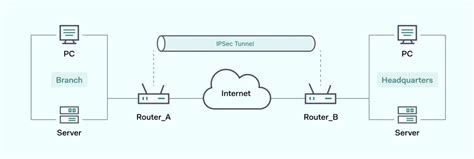
Solve ‘ipsec statusall’ No Output: IPsec VPN Troubleshooting
Hey there, network warriors and VPN enthusiasts! Have you ever found yourself in that utterly frustrating situation where you type
ipsec statusall
into your terminal, expecting to see a beautiful, detailed output of your IPsec VPN tunnels, only to be met with…
nothing
? Just a blank line, an empty prompt, or maybe a vague error message that doesn’t really tell you squat? If you’re nodding your head right now, you’re definitely not alone. This particular
ipsec statusall no output
scenario is one of the most common and perplexing issues folks face when setting up or troubleshooting their IPsec VPNs, whether you’re using Strongswan, Libreswan, or another implementation. It’s like your server is giving you the silent treatment when you need answers the most! But don’t you worry, guys; this isn’t a dead end. In this comprehensive guide, we’re going to dive deep into why your
ipsec statusall
might be playing hard to get, walk through the typical causes, and, most importantly, provide you with a
step-by-step troubleshooting plan
to get your VPN status back on track. We’ll explore everything from verifying your IPsec service is actually running, to scrutinizing your configuration files with a fine-tooth comb, peeking behind those sneaky firewall rules, and even digging into system logs for those hidden clues. Our goal here is to equip you with all the knowledge and practical tips you need to not only fix your current
ipsec statusall no output
problem but also understand the underlying mechanisms better, so you can prevent similar headaches in the future. So, grab a coffee, roll up your sleeves, and let’s get this IPsec VPN sorted out together, making sure you can proudly see that glorious
ipsec statusall
output again!
Table of Contents
Understanding
ipsec statusall
and Its Crucial Role
Alright, before we jump into fixing the
no output
problem, let’s quickly recap why
ipsec statusall
is such an indispensable command in your VPN toolkit. Guys, think of
ipsec statusall
as your IPsec VPN’s vital signs monitor. When everything is humming along nicely, this command should provide you with a
detailed, comprehensive overview
of all your configured IPsec connections and their current operational status. This includes a wealth of information: you’ll see your
security associations (SAs)
– these are the secure connections established between your VPN peers, indicating if your tunnels are up and encrypted; you’ll get insights into your
security policies (SPs)
– these dictate which traffic should be encrypted and routed through the VPN tunnel; and often, you’ll also see details about your
IKE (Internet Key Exchange)
SAs, which handle the initial key negotiation. For instance, a healthy output usually shows connection names, the source and destination IP addresses, the state of the IKE and ESP (Encapsulating Security Payload) SAs (e.g.,
ESTABLISHED
), and potentially even traffic counters. This information is absolutely
critical
for verifying that your VPN tunnels are correctly established, that traffic is flowing as expected, and that your security parameters (like encryption algorithms and authentication methods) are being applied. When
ipsec statusall
produces
no output
, it’s like your patient’s monitor has gone blank – it signifies a fundamental issue. It tells you that the IPsec daemon either isn’t aware of any active tunnels, isn’t able to process your request, or, more commonly, isn’t even running properly in the first place. The absence of output is a loud warning sign that your secure communication might not be happening, or worse, isn’t happening securely. Understanding what
should
be there is the first step toward figuring out why it
isn’t
, and that’s precisely what we’re going to tackle next, ensuring you grasp the full diagnostic power of this command, even when it’s initially silent.
Common Culprits: Why
ipsec statusall
Stays Silent
When
ipsec statusall
gives you the cold shoulder and refuses to display any information, it’s typically an indication that something fundamental is amiss with your IPsec setup or the underlying system. This isn’t usually a subtle configuration error within an
active
tunnel; it’s more often a foundational problem preventing IPsec from even reaching a state where it can manage or report on tunnels. Think of it as your car not starting – the problem isn’t usually a loose seatbelt, but rather an empty fuel tank or a dead battery. Similarly, with IPsec,
no output
points to deeper issues that prevent the IPsec daemon from initializing properly, loading configurations, or even responding to commands. We’re talking about things like the service not running at all, configuration files being so malformed that the daemon can’t parse them, or critical network conditions preventing IPsec from binding to ports or communicating. Understanding these common culprits is the key to systematically approaching the troubleshooting process, allowing you to narrow down the potential issues efficiently. We’ll break down each of these major problem areas, giving you the insights you need to quickly identify why your
ipsec statusall
command is failing to deliver the goods and how to approach each scenario methodically to bring your VPN back online. Each of these sections will provide actionable advice, helping you navigate the complexities of IPsec and restore visibility to your network’s secure connections.
Is the IPsec Service Even Running?
Alright, folks, let’s start with the absolute basics, because believe it or not, this is often the culprit for
ipsec statusall no output
. You might be furiously debugging your configuration files or firewall rules, only to realize that the
IPsec service itself isn’t even active
! It’s like trying to get a TV channel to show up when the TV isn’t plugged in. The
ipsec
command, and by extension
ipsec statusall
, relies on the IPsec daemon (often
charon
for Strongswan or
pluto
for Libreswan) to be up and running in the background. If this daemon isn’t active,
ipsec statusall
has nothing to query, hence the
blank slate
. This can happen for a variety of reasons: maybe it failed to start after a system reboot, perhaps there was an error during its last startup attempt, or it might have even crashed unexpectedly. To check the status of your IPsec service, you’ll typically use
systemctl
on modern Linux distributions (like Ubuntu, CentOS 7+, Debian), or
service
on older systems. The command you’ll most likely need is
sudo systemctl status ipsec
or
sudo systemctl status strongswan
or
sudo systemctl status libreswan
, depending on your specific installation. What you’re looking for in the output is an
Active: active (running)
status. If it says
inactive (dead)
,
failed
, or anything other than
active
, you’ve found your first major clue! If it’s not running, your next step is to try starting it:
sudo systemctl start ipsec
. Immediately after trying to start it, check the status again. If it fails to start, or starts and then immediately dies, then you need to delve into the service’s logs. Commands like
sudo journalctl -xeu ipsec
(for systemd-based systems) or looking in
/var/log/syslog
or
/var/log/daemon.log
will often reveal
why
it failed to initialize. Common errors here might be due to bad configuration files preventing startup, or port conflicts, which leads us nicely to the next potential issues. Trust me, verifying the service status is always the very first, and often the most revealing, troubleshooting step you should take when
ipsec statusall
remains stubbornly silent.
Misconfigurations in Your IPsec Setup
Alright, if the IPsec service is indeed running (you checked with
systemctl status ipsec
, right? Good!), but you’re
still
getting
ipsec statusall no output
, then it’s time to put on your detective hat and delve into the intricate world of your IPsec configuration files. This, my friends, is another incredibly common reason for a silent
ipsec statusall
. The IPsec daemon relies entirely on these configuration files to know
what tunnels to establish
,
how to authenticate
, and
which traffic to secure
. If these files are malformed, contain syntax errors, or simply don’t define any connections that the daemon can successfully process, then
ipsec statusall
will, predictably, show nothing, because from the daemon’s perspective, there’s nothing to report on or manage. We’re primarily talking about
ipsec.conf
(where your tunnel definitions live) and
ipsec.secrets
(where your pre-shared keys or certificate paths are stored). Even a single typo, a misplaced comma, an incorrect indentation, or an ill-defined parameter can prevent the entire configuration from being loaded correctly. Key things to scrutinize include:
connection names
(do they match what you expect?);
left
/
right
parameters (are the local and remote IPs/hostnames correctly specified?);
leftsubnet
/
rightsubnet
(are the subnets you intend to route through the VPN accurately defined?);
authby
(is it set to
psk
for pre-shared key, or
rsa_sig
for certificates?); and
ike
/
esp
algorithms (do they match on both ends of the tunnel?). For Strongswan users, you can often use
sudo strongswan --debug-conf
to parse your
ipsec.conf
and
strongswan.conf
for syntax errors, which is an absolute lifesaver. Libreswan also has
ipsec verify
which performs similar checks. Pay close attention to any warnings or errors these commands spit out. Remember, an IPsec VPN needs
both
sides of the tunnel to agree on virtually everything, from IP addresses to encryption algorithms. If your local configuration defines a tunnel that is fundamentally incompatible or incorrectly specified,
ipsec statusall
won’t show it because it can’t even get off the ground. Meticulously checking these files, even comparing them line-by-line with known good configurations or the remote peer’s settings, is a crucial step in resolving the
no output
mystery. It’s often the small, seemingly insignificant details that cause the biggest headaches, so be patient and thorough here!
The Firewall’s Silent Blockade
Okay, so your IPsec service is running, and you’ve painstakingly checked your configuration files for even the tiniest typo – great work! But if
ipsec statusall
is
still
refusing to show you anything, it’s time to turn our attention to one of the most common, yet often overlooked, culprits: your
firewall rules
. Guys, firewalls are essential for security, no doubt, but they are also notorious for silently blocking traffic that IPsec needs to establish its tunnels, leading directly to
ipsec statusall no output
. IPsec, at its core, relies on specific UDP ports to communicate and negotiate security associations. The most critical ports are
UDP port 500
for
IKE (Internet Key Exchange)
– this is where the initial negotiation and key exchange happen – and
UDP port 4500
for
NAT-Traversal (NAT-T)
, which is crucial if either your local or remote VPN peer is behind a NAT device (like most home routers). If your firewall (whether it’s
ufw
,
firewalld
,
iptables
, or a hardware firewall) is blocking these ports, IPsec simply cannot establish the initial connection, meaning no SA will ever be formed, and thus,
ipsec statusall
will have absolutely nothing to report. To troubleshoot this, you need to verify that your firewall is explicitly allowing incoming and outgoing traffic on these UDP ports. For
ufw
users,
sudo ufw status verbose
will show your active rules; you’d typically add rules like
sudo ufw allow 500/udp
and
sudo ufw allow 4500/udp
. For
firewalld
,
sudo firewall-cmd --list-all
or
sudo firewall-cmd --permanent --add-port=500/udp
followed by
sudo firewall-cmd --reload
are your go-to commands. With
iptables
, it gets a bit more complex, but you’ll be looking for
INPUT
and
OUTPUT
rules that allow UDP traffic on ports 500 and 4500. A quick and sometimes necessary troubleshooting step is to
temporarily
disable your firewall (e.g.,
sudo ufw disable
or
sudo systemctl stop firewalld
) to see if the
ipsec statusall
output suddenly appears.
Important warning:
Do not leave your firewall disabled in a production environment!
This is purely a diagnostic step. If disabling the firewall resolves the
no output
issue, you’ve found your problem – now you just need to correctly configure the rules to allow IPsec traffic permanently. Remember to re-enable your firewall and add the specific rules needed. This step often unravels stubborn
ipsec statusall no output
problems, ensuring your VPN can actually
