PfSense Vs. MikroTik: Router & Firewall Showdown
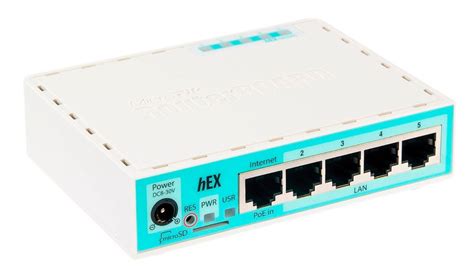
pfSense vs. MikroTik: Router & Firewall Showdown
Hey there, network enthusiasts! Ever found yourself scratching your head, trying to decide between a powerful open-source firewall like pfSense and the incredibly versatile, hardware-driven MikroTik router for your network needs? You’re definitely not alone, guys. This is a classic dilemma in the networking world, and today, we’re going to dive deep into an epic battle between these two titans. We’ll explore their strengths, weaknesses, and what makes each of them a unique contender in the realm of network security and routing. Whether you’re setting up a robust home lab, managing a small business network, or even looking for a solution for enterprise-level demands, understanding the nuances of pfSense vs. MikroTik is absolutely crucial. So, grab your favorite beverage, get comfortable, and let’s unravel which network solution might be the perfect fit for your specific setup. Our goal here isn’t just to list features, but to give you a real-world perspective on choosing your next networking champion, focusing on everything from performance and flexibility to ease of use and cost.
Table of Contents
Unpacking the pfSense Powerhouse
When we talk about
pfSense
, we’re diving into the world of
open-source software firewalls
that essentially turn a standard PC or server into a
dedicated router and firewall appliance
. This isn’t just any old software, guys;
pfSense
is built on FreeBSD and has become a
gold standard
for many IT professionals and enthusiasts due to its incredible flexibility and robust feature set. Imagine having a full-fledged enterprise-grade firewall without the hefty price tag associated with proprietary solutions. That’s exactly what
pfSense
offers. It provides advanced routing capabilities, a stateful firewall, VPN services (including
IPsec
,
OpenVPN
, and
WireGuard
), DHCP and DNS servers, and sophisticated traffic shaping, all manageable through a highly intuitive and powerful web-based graphical user interface (GUI). The beauty of
pfSense
lies in its hardware independence; you can install it on virtually any compatible x86 hardware, from an old desktop computer with a couple of network cards to a high-performance, purpose-built appliance from Netgate, the company behind
pfSense
. This adaptability means you can scale your hardware to match your network’s specific demands, whether it’s a simple setup for a few users or a complex network handling gigabits of traffic and hundreds of concurrent connections. The vibrant
pfSense community
is another massive plus, offering extensive documentation, active forums, and a wealth of knowledge that can help troubleshoot issues and explore advanced configurations. So, if you’re someone who loves to tweak, customize, and build a network solution from the ground up,
pfSense
truly offers an
unparalleled level of control and transparency
, making it a phenomenal choice for those who value
open-source principles
and
deep customization options
for their firewall and router needs.
Diving Into the MikroTik Ecosystem
Now, let’s switch gears and talk about
MikroTik
, a name synonymous with
affordable yet powerful networking hardware and software
. Unlike
pfSense
, which is primarily a software solution,
MikroTik
offers an
integrated ecosystem
comprising their proprietary operating system,
RouterOS
, and a wide range of hardware devices known as
RouterBOARDs
. These devices come in various form factors, from tiny home routers to powerful enterprise-grade switches and wireless access points, all running the same versatile
RouterOS
. The sheer breadth of features packed into
RouterOS
is truly impressive: you get advanced routing protocols (like
OSPF
,
BGP
,
MPLS
), comprehensive firewall capabilities, QoS (Quality of Service) for traffic prioritization, extensive VPN support, robust wireless management, and an array of diagnostic tools. What sets
MikroTik
apart is its
unique management interfaces
. While it does have a web interface (WebFig), most power users swear by
WinBox
, a native Windows application that provides a lightning-fast and highly detailed configuration experience. For the command-line gurus, there’s also a powerful CLI (Command Line Interface) that offers granular control and scripting capabilities, making automation a breeze. The
MikroTik
brand has cultivated a loyal following among ISPs, small to medium businesses, and hobbyists who appreciate the
bang for their buck
these devices offer. You can find
MikroTik
hardware with multiple Ethernet ports, integrated Wi-Fi, PoE (Power over Ethernet) capabilities, and even SFP+ ports for fiber connections, all at a price point that often undercuts competitors with similar feature sets. This integrated hardware and software approach means you typically get an optimized, ready-to-deploy solution right out of the box, which can be a significant advantage for those who prefer a less DIY approach than what
pfSense
sometimes demands. In essence,
MikroTik
delivers
enterprise-level features
and performance within a highly
cost-effective and compact package
, making it a fantastic option for those seeking a complete, integrated, and incredibly versatile networking solution.
The Ultimate Showdown: pfSense vs. MikroTik
Alright, guys, this is where the rubber meets the road! We’ve introduced our contenders, pfSense and MikroTik , and now it’s time to pit them against each other in a head-to-head comparison across several key areas. Understanding these distinctions is paramount to making an informed decision for your specific networking needs. Both are incredibly capable, but they approach network management and security from fundamentally different philosophies, which will dictate which one aligns better with your technical comfort level, budget, and desired level of control. Let’s break down the core differences so you can clearly see where each solution truly shines and where it might fall short for your particular scenario.
User Experience and Learning Curve
When it comes to getting started, the
user experience and learning curve
are vastly different for
pfSense
and
MikroTik
.
pfSense
prides itself on its
intuitive, web-based graphical user interface (GUI)
. For anyone familiar with modern web applications, navigating the
pfSense
dashboard, setting up firewall rules, configuring VPNs, or managing packages feels quite natural. The menus are logically organized, and most common tasks can be accomplished with just a few clicks. This makes
pfSense
generally more
beginner-friendly
for those new to advanced routing and firewall concepts, especially if they prefer a visual approach. However, for extremely complex configurations, even
pfSense
can present a steeper curve. On the flip side,
MikroTik
has a reputation for having a
steeper learning curve
, primarily due to its highly specialized
RouterOS
interface. While it offers WebFig (a web GUI), the real power and speed come from
WinBox
, a native Windows utility, or the
command-line interface (CLI)
. These interfaces are incredibly powerful and offer granular control over every aspect of the device, but they demand a more technical understanding and familiarity with networking protocols.
WinBox
can feel overwhelming at first with its myriad of options and nested menus. For experienced network engineers or those willing to invest time in learning
RouterOS
syntax,
MikroTik
offers
unparalleled efficiency and scripting capabilities
. But for the average user or someone just dipping their toes into advanced networking, the initial hurdle with
MikroTik
can be quite significant, requiring dedication to truly master its capabilities. So, if ease of use and a shallow learning curve are top priorities,
pfSense
might feel more welcoming, whereas
MikroTik
rewards patience and a willingness to learn a new, powerful ecosystem.
Hardware Flexibility and Deployment
Here’s a significant divergence:
hardware flexibility and deployment
.
pfSense
is fundamentally a
software solution
. This means you have the
ultimate flexibility
in choosing your hardware. You can repurpose an old PC, buy a low-power mini-PC, or invest in a high-performance enterprise-grade server – as long as it’s x86 compatible and has enough network interfaces, you can install
pfSense
. This freedom allows you to build a system perfectly tailored to your performance requirements, budget, and physical constraints. Want a fanless system for your quiet home office? Go for it! Need a rack-mounted server with 10GbE ports for a data center?
pfSense
can handle that too. The
deployment process
involves creating a bootable USB drive and installing the OS, much like installing any other operating system. This DIY approach gives you
complete control
but also places the responsibility of hardware selection, compatibility, and maintenance squarely on your shoulders. In contrast,
MikroTik
is all about
integrated hardware and software solutions
. Their
RouterBOARD
devices come pre-installed with
RouterOS
, meaning you typically buy a complete, ready-to-go appliance. This simplifies deployment immensely – often, it’s just a matter of plugging it in and configuring it.
MikroTik
offers a vast range of devices, from tiny, low-power home routers to powerful cloud core routers, industrial-grade switches, and advanced wireless access points, each optimized for specific use cases. While you don’t have the same freedom to choose individual components as with
pfSense
, the benefit is
guaranteed compatibility and optimized performance
within the
MikroTik
ecosystem. You know the hardware and software are designed to work seamlessly together. This is a huge plus for those who prefer a
plug-and-play experience
and value the convenience of an all-in-one solution, even if it means less control over the underlying hardware specifications.
Feature Set and Advanced Capabilities
Both
pfSense
and
MikroTik
are jam-packed with features, but their
advanced capabilities
often cater to different needs or are implemented in distinct ways.
pfSense
excels as a
security-centric firewall and router
. Its core strength lies in its robust firewall rules, stateful packet inspection, and comprehensive VPN support (
IPsec
,
OpenVPN
,
WireGuard
). Beyond the basics,
pfSense
allows for the installation of
packages
(add-ons), which extend its functionality significantly. These packages can turn your
pfSense
box into a web proxy with content filtering (Squid, SquidGuard), an intrusion detection/prevention system (Snort, Suricata), a traffic analyzer (ntopng), or even a DNS resolver with ad-blocking capabilities (pfBlockerNG). This modular approach means you only install what you need, keeping the core system lean.
pfSense
is also
very strong in routing
with support for static routes, policy-based routing, and a variety of dynamic routing protocols.
MikroTik
, on the other hand, often feels like a swiss army knife of networking. Its
RouterOS
comes with an incredibly
rich native feature set
out of the box, spanning a wider range of network roles. Beyond advanced routing (
OSPF
,
BGP
,
MPLS
), firewalling, and VPNs,
MikroTik
has robust
wireless controller capabilities
, sophisticated
QoS
tools, hotspot functionality, a built-in
CAPsMAN
for centralized Wi-Fi management, and extensive traffic engineering options. It’s often used by ISPs for its powerful routing and management features, including
bonding
,
VLANs
, and
layer 3 switching
. The
MikroTik
approach is more monolithic, with most features integrated into
RouterOS
itself, which can be both a blessing and a curse. It means almost anything you can imagine doing with a network device is likely built-in, but it also contributes to the perceived complexity. For a pure firewall and secure gateway,
pfSense
with its package ecosystem offers fantastic depth. For a versatile device that can act as a router, switch, wireless access point, and more,
MikroTik
’s
all-in-one capabilities
are hard to beat.
Performance, Scalability, and Throughput
When it comes to
performance, scalability, and throughput
, the inherent differences in their architecture become quite evident.
pfSense
’s performance is
directly tied to the underlying hardware
you choose. If you run
pfSense
on a powerful multi-core CPU with plenty of RAM and fast network interface cards (NICs), it can handle incredibly high throughput, even with demanding tasks like deep packet inspection (DPI) or multiple concurrent VPN tunnels. This
scalability
is one of
pfSense
’s biggest advantages for
high-demand environments
. You can build a custom
pfSense
box with 10GbE or even 40GbE interfaces and expect it to perform admirably, limited primarily by the CPU’s processing power and the efficiency of the NIC drivers. However, if you run it on underpowered hardware, performance will suffer. This means that while
pfSense
can be incredibly performant, achieving that performance requires careful hardware selection and potentially a higher initial hardware investment than a basic
MikroTik
device.
MikroTik
devices, conversely, are
optimized integrated solutions
. Their
RouterBOARDs
are designed to run
RouterOS
efficiently on their specific hardware, often featuring specialized network processing units (NPUs) or fast-path mechanisms to accelerate packet forwarding. For its price point,
MikroTik
hardware often delivers
excellent raw throughput
and packet per second (PPS) rates, especially for simple routing tasks. However, as you enable more complex features like
QoS
, advanced firewall rules, or VPNs, the CPU on some lower-end
MikroTik
devices can become a bottleneck, leading to a drop in performance. While
MikroTik
offers high-end
Cloud Core Routers
(CCRs) that can handle immense traffic, the general rule is that
MikroTik
’s performance scales well within its designed hardware tiers, but you might hit a ceiling sooner than a custom-built
pfSense
box if your demands become truly extreme. For a typical home or small business network, both solutions can provide excellent performance, but for
absolute maximum throughput and future-proofing
with demanding services,
pfSense
on powerful custom hardware often has the edge, while
MikroTik
provides a
highly optimized and consistent experience
within its integrated hardware platforms.
Cost-Effectiveness and Licensing
Let’s talk money, guys, because
cost-effectiveness and licensing
are often major deciding factors.
pfSense
is a
free, open-source project
. The software itself costs nothing to download and use. This is a huge advantage, as you’re primarily paying for the hardware you choose to run it on. This can range from nearly free (repurposed old PC) to a few hundred dollars for a dedicated mini-PC or thousands for a high-end server. This makes
pfSense
incredibly
cost-effective for those on a tight budget
or those who already have spare hardware. While Netgate, the company behind
pfSense
, sells optimized appliances, using their software doesn’t require purchasing their hardware. The only potential
