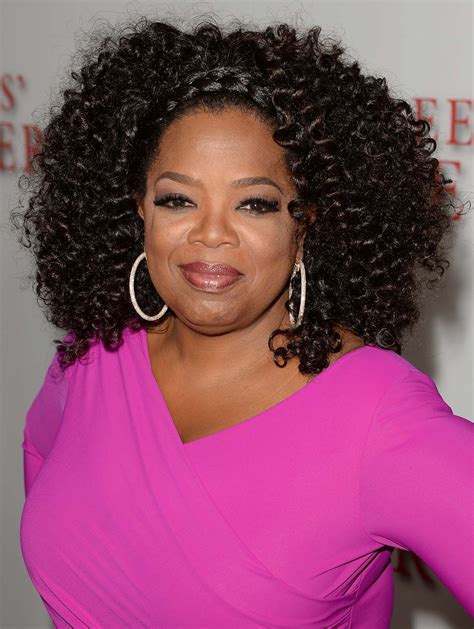
Oprah’s Regret: Revisiting Meghan Markle InterviewYo, guys, remember
that
interview? The one where Meghan Markle and Prince Harry sat down with Oprah Winfrey and basically dropped a truth bomb on the entire British monarchy? It was a moment that gripped the world, sparking endless debates, think pieces, and probably a few awkward family dinners. Since then, whispers have been swirling: did
Oprah Winfrey
herself ever come to regret that seismic conversation? It’s a fascinating question because, let’s be real, the aftermath was a whirlwind, changing perceptions and launching a thousand headlines. We’re here to dive deep, peel back the layers, and truly understand if any “regret” from
Oprah Winfrey
is actual fact or just media speculation surrounding the
Meghan Markle interview
. This isn’t just about a chat; it’s about the ripple effect of a single conversation, the power of media, and the delicate balance of truth and consequence, all of which continue to resonate years later, making it a critical topic for discussion. Did the legendary interviewer have second thoughts, or was she steadfast in her conviction? Let’s unpack the narrative, separating the facts from the frenzy, and explore what
Oprah
herself has said, and what the world has inferred, about one of the most talked-about interviews of our time.## The Groundbreaking Interview That Shook the MonarchyOkay, let’s cast our minds back to that unforgettable March 2021 evening when the
Meghan Markle interview
with
Oprah Winfrey
first aired, a cultural phenomenon that truly
shook the monarchy
to its core and captivated audiences worldwide. It wasn’t just another celebrity chat, guys; this was a meticulously crafted, deeply personal, and ultimately explosive tell-all that had everyone glued to their screens, witnessing revelations that hadn’t been seen from a royal couple in generations, perhaps not since Princess Diana’s own candid interviews.
Oprah Winfrey
, a master of the interview format, provided a safe yet firm platform for Meghan and Harry to share their side of a story that had been largely controlled and distorted by the British press for years. From the devastating admission of
Meghan Markle
’s struggles with suicidal thoughts during her pregnancy with Archie, a revelation that highlighted the immense pressure and lack of support she felt within the royal institution, to the shocking allegations of
unnamed royal family members expressing concerns about Archie’s skin color
– these were not mere anecdotes but deeply troubling accusations that painted a stark picture of a very different reality behind the palace walls than the fairytale narrative often presented. The interview meticulously detailed the couple’s increasing isolation, the alleged withholding of security, and the feeling of being trapped within a system that seemed unwilling or unable to protect them from relentless and often racist media scrutiny. It became clear that
Meghan and Harry
weren’t just stepping back from royal duties; they were fleeing a perceived toxic environment that they felt threatened their mental health and even their very lives. The sheer audacity of breaking royal protocol in such a public manner, combined with the raw honesty and vulnerability displayed by
Meghan Markle
, made this a watershed moment, forever changing how many viewed the British monarchy and their role in modern society.
Oprah Winfrey
’s skillful questioning, characterized by her signature empathy and ability to elicit profound responses, allowed these deeply sensitive issues to surface with gravitas and impact, ensuring that the
Meghan Markle interview
wasn’t just a fleeting news item but a historical document that continues to be dissected and debated, proving just how much it
shook the monarchy
and challenged long-held traditions and expectations about public image versus private struggle.The immediate global reaction was nothing short of monumental. Hashtags trended, news channels ran
24
⁄
7
coverage, and conversations erupted in living rooms, workplaces, and across social media platforms. The sheer volume of revelations, from Meghan’s claims of being denied help for her mental health to the bombshell about concerns over Archie’s skin tone, forced the public to confront uncomfortable truths about institutional racism and the pressures faced by those in the highest echelons of society. Many applauded Meghan and Harry’s bravery for speaking out, seeing it as a necessary act of liberation and a call for accountability. Others criticized the couple, accusing them of disrespecting the monarchy and airing their grievances in a way that was perceived as self-serving.
Oprah Winfrey
’s calm demeanor throughout the two-hour special was a masterclass in interviewing; she allowed pauses for dramatic effect, followed up with probing questions, and let the couple’s story unfold organically, creating a narrative that felt both intimate and incredibly significant. Her ability to create a safe space for such vulnerable disclosures is a hallmark of her career, and it was on full display during the
Meghan Markle interview
. This wasn’t just an interview; it was a cultural event that redefined the boundaries of royal discourse and solidified
Oprah Winfrey
’s place as an unparalleled figure in media.## Unpacking the “Regret” Rumors: What Oprah Actually Said (or Didn’t Say)So, let’s get into the nitty-gritty of these
Oprah Winfrey regret
rumors surrounding the
Meghan Markle interview
, because, let’s be real, speculation always runs wild after such a massive event. Many people have been wondering if
Oprah Winfrey
ever expressed any
regret
about how the interview unfolded or the immense fallout it created. It’s crucial, however, to differentiate between
actual regret
and mere
reflection
or perhaps even a nuanced understanding of unforeseen consequences.
Oprah Winfrey
herself has addressed the interview multiple times since it aired, and her consistent stance has been one of
validation
rather than
regret
. For instance, just a few months after the interview, she explicitly stated that she believes in “speaking your truth” and that Meghan and Harry did exactly that. She emphasized that her intention was always to provide a platform for them to share
their story
in
their own words
, free from the filters of the press or royal establishment. She acknowledged the immense impact and the controversy it stirred, but she never characterized her involvement as something she wished she hadn’t done. Instead, her comments often leaned towards a sense of satisfaction that she was able to facilitate a conversation that brought such important issues – like mental health struggles within the public eye and the insidious nature of racism – to the forefront of global discussion.
Oprah Winfrey
has a long-standing reputation as an interviewer who empowers her subjects, and in her eyes, this interview was an extension of that philosophy. She understood the gravity of the accusations and the potential for backlash, but she maintained that her job was to listen and allow the couple to tell their experience. Therefore, any whispers of
Oprah Winfrey regret
often stem more from media interpretation of the
interview’s volatile aftermath
than from any direct statement or clear indication from
Oprah
herself. Her approach has always been about facilitating a narrative, not controlling its reception or the subsequent public reaction, meaning that while she was undoubtedly aware of the seismic shift the interview caused, her role, from her perspective, was successfully fulfilled in allowing
Meghan Markle
and Prince Harry to openly share their difficult experiences.Oprah’s carefully chosen words post-interview consistently highlighted her commitment to allowing individuals to tell their authentic stories. For example, in an interview with
The Hollywood Reporter
, she clarified that she did not prepare specific questions for the bombshells; instead, she explained, her goal was to create an environment where
Meghan and Harry
felt comfortable enough to speak freely. She reportedly said, “I did not prepare any questions. I just said, ‘What is your story? What are you going through?’” This approach underscores her philosophy that the interview’s power came from its raw honesty, not from any premeditated agenda on her part. She has also openly discussed the challenges of conducting such a high-profile interview, particularly when sensitive topics like mental health and racial prejudice are at the core. While she acknowledged the intense media scrutiny and the widespread debate that followed, she maintained that
the truth
being spoken was paramount. There was no indication of
Oprah Winfrey regret
for the interview itself, but rather a robust defense of the couple’s right to share their narrative, despite the significant public and royal fallout. This distinction is vital when assessing the claims of regret; it’s less about a personal misstep and more about the unavoidable consequences of a powerful, unfiltered truth. She has always championed the idea of giving voice to the voiceless, and in her view, Meghan and Harry, despite their royal status, were seeking a voice against what they perceived as a stifling and damaging narrative. Her consistent message has been that she stands by the interview and the couple’s courage in speaking their truth to the world, making any notion of
Oprah Winfrey regret
largely unfounded and an attempt to sensationalize the story further.## The Aftermath: Public Opinion, Royal Reaction, and Media StormLet’s talk about the
aftermath
of the
Meghan Markle interview
with
Oprah Winfrey
– because, goodness gracious, it was a proper
media storm
that felt like it engulfed the entire globe. The sheer scale of the reaction, both from the public and the
royal family
, was unprecedented in recent memory, leaving no stone unturned in its wake. Immediately following the broadcast,
public opinion
became sharply divided, creating a chasm between those who sympathized with Meghan and Harry’s plight and those who felt they had unfairly attacked a beloved institution. Supporters lauded the couple for their bravery, seeing their revelations as evidence of a deeply entrenched, perhaps even racist, system within the monarchy that failed to protect one of its own. They highlighted the importance of
mental health awareness
and called out the relentless tabloid harassment that Meghan endured, often drawing parallels to the tragic fate of Princess Diana. On the other side, critics viewed the interview as a betrayal, accusing the couple of seeking fame and fortune at the expense of the
royal family’s
reputation, especially given Prince Philip’s ailing health at the time. They argued that royal life, while privileged, comes with specific duties and expectations, and that airing dirty laundry on international television was an unforgivable breach of etiquette. This polarization of
public opinion
fueled an already intense debate about race, class, privilege, and the very future of the British monarchy, proving just how deeply the
Meghan Markle interview
had resonated across various demographics and political lines. The sheer volume of articles, TV segments, and social media discussions reflected a world grappling with uncomfortable truths and complex allegiances, all ignited by that single, impactful conversation with
Oprah Winfrey
, a conversation that still reverberates today in how we perceive royalty and celebrity.The
royal reaction
was, as expected, far more measured and carefully orchestrated, initially characterized by a period of quiet contemplation before a brief, official statement was released. Buckingham Palace issued a statement saying that the
royal family
was “saddened” to learn of the full extent of the challenges Meghan and Harry had faced, adding that “the issues raised, particularly that of race, are concerning. Whilst some recollections may vary, they are taken very seriously and will be addressed by the family privately.” This phrase, “recollections may vary,” became a talking point in itself, interpreted by many as a subtle challenge to the accuracy of some of Meghan’s claims, while others saw it as a desperate attempt to minimize the damage. Prince William later publicly declared, “We are very much not a racist family,” in response to a direct question, further highlighting the deep sensitivity of the racial allegations made during the
Meghan Markle interview
. The
media storm
that erupted after the interview was a feeding frenzy. Tabloids that had previously been critical of Meghan now had fresh ammunition, while more sympathetic outlets delved into the systemic issues raised. The interview became a cultural touchstone, constantly referenced in discussions about institutional racism, mental health, and the public’s perception of privilege and responsibility. It fundamentally shifted the narrative around the
royal family
, forcing them to confront their image and address criticisms that had long been swept under the rug. For Meghan and Harry, the
aftermath
cemented their decision to pursue an independent life away from royal duties, but it also placed them under an even more intense spotlight, with every move scrutinized through the lens of their explosive revelations. The
Meghan Markle interview
didn’t just cause a stir; it permanently altered the landscape of public discourse surrounding the British monarchy and set the stage for years of ongoing debate.## Oprah’s Interview Philosophy: Intent vs. OutcomeLet’s dive into
Oprah Winfrey’s interview philosophy
and how it played out during the momentous
Meghan Markle interview
, particularly examining the dynamic between her
intent vs. outcome
. For decades,
Oprah
has been revered as the quintessential interviewer, known for her unparalleled ability to connect with guests, elicit profound confessions, and create conversations that resonate globally. Her philosophy isn’t just about asking tough questions; it’s about fostering an environment of trust and empathy, allowing her subjects to feel safe enough to reveal their deepest truths. When she sat down with
Meghan Markle
and Prince Harry, her
intent
was clear: to give them a platform to speak
their truth
in
their own words
, away from the spin and speculation of the tabloid press. She aimed to create an authentic space where the couple could share their experiences of royal life, the struggles they faced, and the reasons behind their unprecedented decision to step back from their roles.
Oprah
herself stated her desire to ensure that viewers heard directly from them, unfiltered, recognizing the immense public interest and the need for clarity amidst so much noise. This
intent
aligns perfectly with her long-standing reputation as a champion of personal narratives and a facilitator of meaningful dialogue, often focusing on themes of vulnerability, resilience, and societal impact. The challenges of such a high-stakes interview are immense, requiring a delicate balance of journalistic rigor and human compassion, something
Oprah Winfrey
is a master at, making her the perfect choice for the
Meghan Markle interview
where so much was at stake for both the couple and the monarchy.Her
intent
was never to deliberately provoke a scandal or damage the monarchy, but rather to uncover the human story behind the headlines, to understand the personal toll of life under intense public scrutiny. However, the
outcome
of the
Meghan Markle interview
was undeniably explosive, triggering a global conversation that went far beyond mere personal revelations. It ignited debates about racism within institutions, the complexities of mental health, the pressures of fame, and the future relevance of monarchies in modern society. While
Oprah
’s primary
intent
was to empower Meghan and Harry to share their narrative, the
outcome
was a seismic shift in public perception of the
royal family
and a re-evaluation of how society views power, privilege, and accountability. Did the
outcome
align perfectly with her
intent
? In some ways, yes – the couple’s truth was heard, loud and clear. But the scale of the
aftermath
and the depth of the controversy might have exceeded even
Oprah’s
expectations for the level of public and institutional upheaval. Yet, this doesn’t imply
regret
. Instead, it highlights the inherent power of truth-telling, especially when facilitated by a master like
Oprah Winfrey
. She understands that once a truth is released, its impact can be far-reaching and uncontrollable, leading to both desired understanding and unforeseen collateral. Her philosophy allows for this consequence, prioritizing the voice over the potential storm it might brew. The
Meghan Markle interview
stands as a testament to the fact that even with the best intentions, the truth, especially when it challenges deeply ingrained systems, can create ripples that turn into waves, irrevocably changing landscapes.## Looking Back: Lessons Learned and Lasting ImpactAlright, let’s take a good, hard look
back
at the
Meghan Markle interview
with
Oprah Winfrey
and consider the
lessons learned
and its truly
lasting impact
. This wasn’t just a fleeting news cycle, guys; this was a moment that etched itself into our collective consciousness, sparking conversations that continue to evolve and shaping our understanding of everything from royal dynamics to mental health advocacy. One of the most significant
lessons learned
is the undeniable power of an individual’s narrative, especially when delivered with raw honesty on a global platform.
Meghan Markle
and Prince Harry, through their conversation with
Oprah Winfrey
, effectively reclaimed their story from the relentless and often hostile narratives crafted by the tabloid press. They demonstrated that even those in positions of immense privilege can feel voiceless and vulnerable, challenging the public to look beyond the titles and see the human beings underneath. The interview also shone a blinding spotlight on the crucial importance of
mental health
and the desperate need for support, even within seemingly impermeable institutions. Meghan’s brave admission of suicidal thoughts wasn’t just a personal revelation; it was a powerful call to action, normalizing discussions around mental well-being and urging empathy for those struggling, irrespective of their status. This aspect alone has had a profound
lasting impact
, contributing to a broader societal shift towards destigmatizing mental health issues, making it a critical conversation point for everyone involved.Furthermore, the accusations of racism within the
royal family
during the
Meghan Markle interview
forced a global reckoning with systemic prejudice. It sparked crucial dialogues about race, identity, and the challenges faced by people of color, even within supposedly progressive societies. This dialogue extended beyond the British monarchy, prompting institutions worldwide to examine their own biases and practices. The interview underscored that racism isn’t always overt; it can manifest in subtle microaggressions, differential treatment, and a lack of understanding or support for individuals from diverse backgrounds. This critical examination of institutional racism is perhaps one of the most significant and
lasting impacts
of the interview, encouraging a more nuanced and honest conversation about diversity and inclusion. For
Oprah Winfrey
, the interview solidified her legacy as an interviewer who isn’t afraid to tackle sensitive subjects and provide a platform for voices that need to be heard, regardless of the controversy it might generate. Her role in facilitating such a pivotal conversation has cemented her place in media history. The
Meghan Markle interview
didn’t just air grievances; it ignited a catalyst for change, forcing both the
royal family
and the wider world to confront uncomfortable truths and consider the evolving role of tradition in a modern, diverse society. It’s clear that the ripple effects of this conversation will continue to be felt for years to come, influencing how we perceive power, authenticity, and the pursuit of truth in the public eye, truly making it a landmark event with enduring significance.## ConclusionSo, guys, after diving deep into the
Meghan Markle interview
and all the buzz around
Oprah Winfrey regret
, what’s the final takeaway? It seems pretty clear that while the
aftermath
was undeniably a whirlwind, causing a colossal
media storm
and sparking intense debate across the globe, the notion of
Oprah Winfrey regret
is largely a misinterpretation. Instead, what we see from
Oprah
herself is a consistent stance of
validation
for Meghan and Harry’s decision to
speak their truth
. Her
interview philosophy
has always been about empowering individuals to share their stories, providing an unfiltered platform for raw honesty, and in that regard, the
Meghan Markle interview
was a resounding success according to her own principles.The
lasting impact
of that groundbreaking conversation cannot be overstated. It brought critical issues like
mental health
struggles within high-profile institutions and allegations of
racism
within the
royal family
to the forefront of global discourse. It forced a re-evaluation of traditional power structures, challenged long-held perceptions of royalty, and gave countless individuals worldwide permission to discuss their own vulnerabilities. Whether you’re a staunch royalist or a vocal supporter of the Sussexes, there’s no denying that the
Meghan Markle interview
with
Oprah Winfrey
was a watershed moment, a cultural phenomenon that reshaped narratives and ignited crucial conversations. It taught us
lessons learned
about the power of personal narrative, the responsibility of media, and the complex interplay between privilege and public scrutiny. In the end, it appears
Oprah Winfrey
stands firmly by her work, understanding that sometimes, speaking truth to power creates ripples far beyond anyone’s initial expectations, but those ripples are often necessary for change. This interview wasn’t just entertainment; it was a historical event that continues to shape dialogue and understanding in profound ways, cementing its place as one of the most significant interviews of our time.
