Mastering Pinstripe Calathea Care: A Friendly GuideGuys, let’s talk about one of the most
stunning
and
rewarding
houseplants out there: the
Pinstripe Calathea
, officially known as
Calathea Ornata
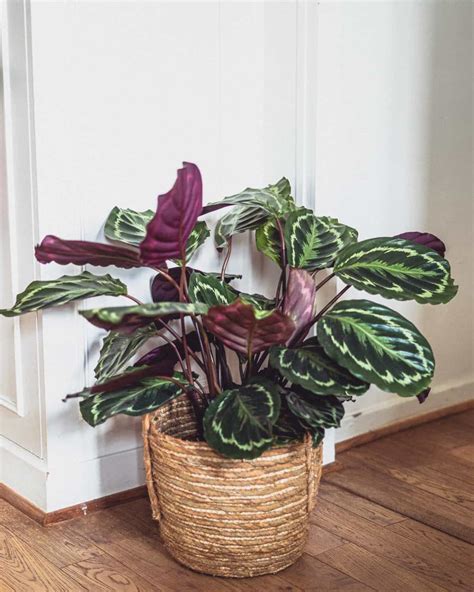
. If you’ve ever walked into a plant shop and had your breath taken away by those intricate, almost hand-painted leaves, chances are you’ve encountered this beauty. The Pinstripe Calathea isn’t just a plant; it’s a living piece of art, boasting deep green foliage adorned with vibrant pink pinstripes that look like they were drawn with the finest brush. The undersides of its leaves often reveal a gorgeous reddish-purple hue, adding another layer of visual interest. It’s truly a showstopper, and while some folks might tell you it’s a bit
fussy
, I’m here to tell you that with the right knowledge and a little bit of love, you can absolutely make your Pinstripe Calathea thrive. This plant belongs to the Marantaceae family, also known as the “prayer plant” family, because its leaves literally fold up at night, as if in prayer, and then unfurl again with the morning light. How cool is that? This movement is called
nyctinasty
, and it’s one of the many enchanting quirks that make owning a Pinstripe Calathea such a unique experience. We’re going to dive deep into everything you need to know, from its ideal lighting conditions to the perfect watering schedule and why humidity is its best friend. Think of this as your ultimate, friendly guide to turning those initial “uh-oh” moments into “wow, look at my gorgeous plant!” victories. We’ll cover everything from getting started to troubleshooting common hiccups, ensuring your
Calathea Ornata
not only survives but truly
flourishes
in your home. Get ready to impress your friends and family with your lush, vibrant Pinstripe Calathea – it’s going to be an awesome journey! Understanding its basic needs is the first step, and trust me, once you get the hang of it, you’ll wonder why you ever hesitated. So, let’s roll up our sleeves and get started on transforming your space with this incredible tropical gem. This guide aims to demystify the care process, making it accessible even for those who might feel a bit intimidated by the reputation of Calatheas. You’ll learn the
secrets
to its success, ensuring those beautiful pinstripes remain vibrant and its foliage stays lush.## Understanding Your Pinstripe Calathea: A Quick DiveBefore we get into the nitty-gritty of care, let’s get acquainted with our star, the
Pinstripe Calathea
. This magnificent plant, scientifically known as
Calathea Ornata
, hails from the tropical rainforests of South America, specifically Colombia and Venezuela. Knowing its origins is super important, guys, because it gives us massive clues about what kind of environment it craves in our homes. Imagine its natural habitat: dense jungle undergrowth, dappled sunlight filtering through a canopy of trees, consistently high humidity, and warm temperatures. That’s the vibe we’re trying to replicate indoors! The most striking feature, of course, is its foliage. Each leaf is a masterpiece, displaying those signature
delicate pink or sometimes white pinstripes
against a rich, dark green background. As the plant matures, the pink stripes can sometimes fade a bit, becoming whiter, but they never lose their charm. The underside of the leaves, often a deep burgundy or purple, provides a stunning contrast, especially when the leaves “pray” at night. This daily movement, called
nyctinasty
, is truly fascinating to witness. It’s not just a cool trick; it’s actually a natural mechanism to optimize light absorption and minimize water loss during the cooler night hours. This unique characteristic is a hallmark of the Calathea family, and it’s one of the reasons these plants are so beloved by houseplant enthusiasts. When choosing a Pinstripe Calathea, look for plants with vibrant, unblemished leaves. Avoid anything with brown crispy edges, significant yellowing, or signs of pests, as these can be indicators of stress or underlying issues that will be harder to fix later. A healthy
Calathea Ornata
will have firm, upright stems and a good density of foliage. Remember, these plants are not just decorative; they’re living beings with specific needs, and understanding their background will make you a much more confident and successful plant parent. Getting to know your plant on a deeper level helps you anticipate its needs and react proactively, rather than just waiting for problems to appear. It’s about building a relationship with your leafy friend, recognizing its subtle cues, and providing the care it needs to
thrive
. So, embrace the beauty and the unique personality of your Pinstripe Calathea, and let’s get ready to give it the royal treatment it deserves. Understanding these basic facts about its natural environment and unique leaf movements will set you up for
success
in its care journey.## Pinstripe Calathea Care: Keeping Your Plant HappyAlright, my plant-loving friends, let’s dive into the core of it: how to keep your
Pinstripe Calathea
not just alive, but
thriving
! Don’t let its reputation for being “fussy” scare you off. With a few key considerations, you’ll master
Calathea Ornata
care in no time. The most important thing to remember is that this is a tropical plant, so we’re aiming to mimic its jungle home as closely as possible. Think warm, humid, and indirect light. Getting these elements right is crucial for maintaining those vibrant pink pinstripes and lush green leaves. We’re going to break down each aspect of care so you know exactly what your beautiful
Pinstripe Calathea
needs to be at its absolute best. From choosing the perfect spot in your home to understanding its watering schedule and creating that ideal humid environment, we’ve got you covered. Remember, consistency is key with these beauties, and a little attention goes a long way. Let’s make sure those leaves are always unfurling perfectly and “praying” gracefully every night.### Light Needs: Finding the Sweet SpotWhen it comes to light, your
Pinstripe Calathea
is a bit like a shy celebrity – it loves the spotlight but not direct flashes! In its natural habitat,
Calathea Ornata
grows on the rainforest floor, shielded by a dense canopy of trees. This means it’s accustomed to
bright, indirect light
. This is probably one of the most critical factors for its health. Direct, harsh sunlight is a big no-no, guys. It will quickly scorch those delicate leaves, fading the gorgeous pink pinstripes and causing unsightly brown patches. Think west-facing windows that get afternoon sun? Too much. South-facing? Definitely too much direct light. The
ideal spot
for your Pinstripe Calathea is typically an east-facing window, where it gets gentle morning sun, or a few feet away from a bright north-facing window. If you only have south or west-facing windows, place your plant further back in the room, away from the direct sun’s path, or use sheer curtains to diffuse the light. The goal is consistent, gentle brightness without direct exposure. If your plant isn’t getting enough light, its growth might slow down, and those vibrant pinstripes might start to look duller or even disappear. Conversely, too much light, especially direct sun, will lead to faded colors, crispy edges, and burnt spots. Pay attention to what your
Calathea Ornata
is telling you! If the leaves are stretching significantly towards a light source, it might need a bit more brightness. If they’re looking bleached or crispy, move it further away. Finding that sweet spot might take a little experimentation, but once you do, your Pinstripe Calathea will reward you with stunning, healthy foliage. Artificial grow lights can also be a fantastic option if your home lacks sufficient natural indirect light, just make sure they aren’t too intense or too close, as this can mimic direct sunlight. Consistency in lighting is important, so avoid moving your plant around too much once it’s happy in its spot. This focus on
indirect light
is paramount for its overall well-being and the stunning appearance of its foliage.### Watering Wisely: Don’t Drown Your BeautyWatering your
Pinstripe Calathea
correctly is a delicate dance, guys – not too much, not too little! These plants
love
consistency. They prefer their soil to be consistently moist, but
never waterlogged
. Overwatering is a common killer for Calatheas, leading to root rot, which is a really tough battle to win. Underwatering, on the other hand, will cause the leaves to curl, droop, and develop crispy brown edges. The
golden rule
for your
Calathea Ornata
is to water thoroughly when the top 1-2 inches of soil feel dry to the touch. You can use your finger to check, or a moisture meter for extra precision. When you water, make sure to drench the soil until water starts to drain out of the bottom of the pot. This ensures that the entire root ball gets adequately hydrated. After watering, it’s crucial to empty any excess water from the saucer. Letting your plant sit in standing water is a fast track to root rot. The frequency of watering will depend on several factors: the season (more in warmer months, less in cooler), the humidity levels in your home, the size of your pot, and the type of soil mix you’re using. During the active growing season (spring and summer), you might find yourself watering every 5-7 days, while in winter, it could stretch to every 10-14 days or even longer. Always check the soil before you water, don’t just stick to a rigid schedule. Another pro tip: use
filtered water, distilled water, or rainwater
. Calatheas are notorious for being sensitive to the chemicals found in tap water, especially chlorine and fluoride. These chemicals can cause brown tips and edges on the leaves, even if everything else is perfect. If you must use tap water, let it sit out for 24 hours to allow some of the chlorine to dissipate, but remember, fluoride won’t evaporate. So, investing in a water filter or collecting rainwater can make a huge difference in keeping those beautiful pinstripes pristine.
Consistent, proper watering
is a cornerstone of happy Pinstripe Calathea care, so make sure you’re getting this right for a truly flourishing plant.### Humidity is Key: A Tropical TreatIf there’s one thing your
Pinstripe Calathea
absolutely
adores
, it’s humidity! Seriously, guys, this is non-negotiable for a truly happy
Calathea Ornata
. Remember those rainforest origins? They thrive in environments where the air is thick with moisture. Most of our homes, especially with heating and air conditioning, are significantly drier than what these tropical beauties prefer. Low humidity is the number one culprit behind those dreaded brown, crispy leaf edges that so many Calathea owners lament. You’ll see those beautiful pink pinstripes start to look less vibrant, and the leaf edges will dry out and turn brown, even if your watering is spot on. To combat this, you’ll need to actively increase the humidity around your plant. There are several effective ways to do this. The simplest method is to use a
pebble tray
. Fill a shallow tray with pebbles and add water, making sure the bottom of your pot doesn’t sit directly in the water. As the water evaporates, it creates a localized pocket of humidity around your plant. Grouping your Pinstripe Calathea with other humidity-loving plants can also help, as plants release moisture into the air through transpiration, creating a mini microclimate. However, the most effective way to provide consistent high humidity is with a
humidifier
. A small, cool-mist humidifier placed near your Calathea can work wonders, especially during the drier months of winter or if you live in an arid climate. Aim for humidity levels of at least 60%, and ideally closer to 70-80%. You can monitor this with a hygrometer. Misting your plant is another option, but honestly, it’s less effective than a humidifier or pebble tray. While it feels good for a moment, the effect is very temporary and can sometimes even encourage fungal issues if done improperly or too often without adequate air circulation. If you do mist, use filtered or distilled water to avoid mineral buildup on the leaves. The key takeaway here is that
consistent high humidity
is absolutely essential for your Pinstripe Calathea to look its best and avoid those frustrating crispy edges. Don’t skip this step, because it makes all the difference for this
stunning tropical houseplant
.### Soil and Potting: The Right FoundationChoosing the right soil and pot for your
Pinstripe Calathea
is like building a strong foundation for a house – it’s crucial for long-term health, guys. These plants need a soil mix that is
well-draining yet retains some moisture
. It’s a delicate balance, but totally achievable! In their natural environment,
Calathea Ornata
grows in rich, organic matter that allows water to pass through freely while holding onto enough moisture to keep the roots happy. A heavy, compacted soil mix will suffocate the roots, leading to root rot, especially when combined with overwatering. On the flip side, a mix that drains too quickly won’t hold enough moisture, and you’ll find yourself watering constantly, still battling dry leaves. So, what’s the magic formula? A good potting mix for your Pinstripe Calathea should ideally contain a blend of potting soil, perlite, and coco coir or peat moss. A common recipe is equal parts of each, or you can use a high-quality aroid mix. The perlite improves drainage and aeration, preventing the soil from becoming too dense, while the coco coir or peat moss helps retain that much-needed moisture without getting soggy. Some people also like to add a bit of orchid bark for extra drainage and air pockets. The key is to ensure the mix feels light and airy, not dense and clumpy. As for pots, choose one with
drainage holes
. This is non-negotiable! Terracotta pots can be great for plants that prefer drier conditions because they wick away moisture, but for a humidity-loving
Calathea Ornata
that prefers consistently moist soil, a plastic or glazed ceramic pot might be a better choice as it retains moisture more effectively. Just make sure it’s not too big for your plant; an oversized pot holds too much soil, which stays wet for too long and increases the risk of root rot. Repotting your Pinstripe Calathea isn’t something you need to do frequently. They generally prefer to be a little bit root-bound. You’ll typically only need to repot every 1-2 years, or when you see roots growing out of the drainage holes, or if the plant’s growth seems stunted. When you do repot, go up only one pot size (e.g., from a 6-inch to an 8-inch pot) to avoid shocking the plant and providing too much extra soil. A
well-aerated, moisture-retentive, yet well-draining soil
in an appropriately sized pot with drainage is the foundation for a flourishing Pinstripe Calathea.### Feeding Your Pinstripe: A Little BoostJust like us, your
Pinstripe Calathea
appreciates a good meal now and then, especially during its active growing season! While not super heavy feeders, a little boost of nutrients can go a long way in promoting lush foliage and vibrant pinstripes on your
Calathea Ornata
. The general rule of thumb is to fertilize during spring and summer, which are its primary growth periods. During these months, the plant is actively putting out new leaves and expanding its root system, so it can effectively utilize the extra nutrients. When it comes to winter, which is typically a dormancy period for most houseplants, you should
hold off on fertilizing entirely
. The plant’s growth slows down significantly, and it won’t be able to absorb the nutrients as efficiently, which can lead to a buildup of salts in the soil. This salt buildup can actually damage the roots and cause brown tips on the leaves, similar to issues from tap water. When choosing a fertilizer, opt for a balanced liquid houseplant fertilizer, diluted to half or even quarter strength. Calatheas, like many tropical plants, can be sensitive to over-fertilization, so under-fertilizing is always safer than over-fertilizing. A general-purpose fertilizer with an NPK ratio like 5-5-5 or 10-10-10, diluted, works well. Organic fertilizers are also a great choice if you prefer a more natural approach. The frequency of feeding can vary, but generally, fertilizing every 2-4 weeks during the growing season is sufficient. Always make sure to water your plant
before
fertilizing. Applying fertilizer to dry soil can burn the roots and stress the plant. So, water your Pinstripe Calathea thoroughly, then apply the diluted fertilizer. This ensures the roots are hydrated and better able to absorb the nutrients without damage. If you notice any signs of over-fertilization, such as yellowing leaves with crispy brown edges or a white crust forming on the soil surface, flush the soil thoroughly with clean, filtered water to rinse out excess salts, and then reduce or stop fertilizing for a while. Remember, fertilizer is a supplement, not a cure-all. Excellent light, proper watering, and high humidity are far more critical for your Pinstripe Calathea’s health than a heavy feeding schedule. A thoughtful,
diluted fertilization routine
during its growth phase will support its overall vitality and keep those iconic pinstripes looking absolutely spectacular.### Temperature Talk: Keeping it CozyLast but not least in our care guide, let’s chat about temperature for your
Pinstripe Calathea
. Like all tropical plants,
Calathea Ornata
thrives in warmth and absolutely
detests
cold drafts. Think of its rainforest home again – consistently warm, never freezing! The ideal temperature range for your Pinstripe Calathea is between 65-80°F (18-27°C). They are quite sensitive to fluctuations, so try to keep the temperature in your home as stable as possible within this range. Anything below 60°F (15°C) can start to stress the plant, causing its growth to slow, leaves to curl, and in severe cases, even lead to permanent damage or death. Cold temperatures can cause leaf damage, wilting, and overall decline in health. This means you need to be mindful of where you place your plant, especially during colder months. Keep it away from drafty windows or doors, air conditioning vents, and heating vents. The sudden blasts of cold or hot air can shock the plant and strip away much-needed humidity from its leaves. If you live in an area with harsh winters, make sure your Pinstripe Calathea isn’t sitting directly on a cold windowsill; placing a layer of insulation, like a cork mat, underneath the pot can help. Similarly, if your home gets very warm in the summer, ensure it’s not exposed to direct sun that would overheat it. While they love warmth, extreme heat without sufficient humidity can also be problematic. The consistent warmth and lack of sudden temperature drops are vital for its well-being. This is particularly important because
Calathea Ornata
is known for its sensitivity, and ensuring a stable, warm environment minimizes stress, allowing it to put its energy into producing those beautiful, vibrant pinstriped leaves. So, make sure your Pinstripe Calathea is in a cozy, stable spot where it can enjoy its tropical warmth without any chilly surprises. Maintaining a
consistent, warm temperature
is a simple yet crucial step to ensure your plant remains happy and healthy year-round, contributing significantly to its overall
luster and growth
.## Troubleshooting Common Pinstripe Calathea ProblemsEven with the best intentions, sometimes our plant babies throw us a curveball. Don’t worry, guys, it’s totally normal! The
Pinstripe Calathea
, while gorgeous, can be a bit dramatic, but often, the problems are easy to diagnose and fix once you know what to look for. Think of your
Calathea Ornata
as a sensitive communicator; its leaves will tell you exactly what’s wrong if you learn to interpret the signs. Instead of panicking, let’s look at some common issues and how to get your beautiful plant back on track. Understanding these common problems is crucial for any Pinstripe Calathea owner, as quick identification and action can prevent minor issues from becoming major setbacks. We’ll go through the most frequent complaints and provide actionable solutions to keep your plant looking its absolute best and those stunning pink pinstripes vibrant. It’s all about listening to your plant and making small adjustments to its environment.### Brown, Crispy Leaf Edges and TipsThis is, hands down, the
most common complaint
about
Pinstripe Calathea
, and it’s almost always a clear sign of
low humidity
or
water quality issues
. Remember how much your
Calathea Ornata
loves humidity? If the air is too dry, especially with indoor heating or AC, the leaves will start to dry out from the edges inwards. The plant is trying to retain moisture, but the dry air is literally sucking it out.*
Solution:
Boost humidity immediately!
Get a humidifier, place your plant on a pebble tray, or group it with other plants. Aim for 60% humidity or higher. Also, consider the water you’re using. Tap water, with its chlorine and fluoride, can cause these brown tips. Switch to
filtered, distilled, or rainwater
. If you use tap water, let it sit out for 24 hours to off-gas chlorine, but remember, fluoride won’t dissipate. Sometimes, even if you are watering correctly, if the soil dries out
too much
between waterings, the plant experiences drought stress, leading to similar symptoms. So, ensure you are consistently keeping the soil moist but not soggy. Less common causes can include over-fertilization (causing salt buildup) or too much direct light. If you’ve addressed humidity and water quality, check your fertilizing schedule and light exposure. This issue is usually the easiest to spot and, thankfully, often the easiest to fix once you pinpoint the exact cause. Persistent brown edges are a constant battle for many Calathea owners, so addressing humidity and water sensitivity proactively is the best defense against this common
Pinstripe Calathea
problem.### Yellowing LeavesYellow leaves on your
Pinstripe Calathea
can signal a few different things, but the primary suspects are usually
overwatering
or
nutrient deficiencies
.*
Overwatering:
This is often the culprit. If the soil stays wet for too long, the roots can’t breathe and start to rot. This prevents them from absorbing water and nutrients, leading to general yellowing, especially on older, lower leaves. The soil might also smell musty.*
Solution:
Allow the top few inches of soil to dry out before watering again. Check your drainage; ensure your pot has holes and that you’re emptying the saucer. If the problem is severe, you might need to repot into fresh, well-draining soil and inspect the roots for rot (trim away any mushy, black roots).*
Underwatering:
While less common than overwatering for yellowing, prolonged dryness can also lead to older leaves yellowing and dropping off as the plant sacrifices them to preserve newer growth.*
Solution:
Establish a consistent watering schedule where the soil stays consistently moist but never soggy.*
Nutrient Deficiency:
If your plant hasn’t been fertilized in a long time, it might be lacking essential nutrients, which can manifest as general yellowing.*
Solution:
Fertilize with a diluted, balanced liquid fertilizer during the growing season (spring/summer).*
Natural Aging:
Don’t panic if just one or two older, lower leaves turn yellow and eventually die off. This is a natural process as the plant grows and sheds its oldest foliage. Just prune them off.* Checking your watering habits and ensuring proper soil conditions are the first steps when you notice your
Pinstripe Calathea’s
leaves turning yellow.### Drooping LeavesWhen your
Pinstripe Calathea
leaves are drooping, looking sad and lifeless, it’s typically a cry for
water
or, surprisingly, sometimes
too much water
.*
Underwatering:
This is the most common reason. If the plant is really thirsty, its leaves will lose turgor pressure and droop significantly. They might also curl inwards.*
Solution:
Give your
Calathea Ornata
a good, thorough watering until water drains from the bottom. It should perk up within a few hours.*
Overwatering/Root Rot:
Paradoxically, if the roots are rotting due to constantly soggy soil, they can’t absorb water effectively, leading to the same drooping appearance. The leaves might also be yellowing.*
Solution:
Check the soil moisture. If it’s constantly wet, let it dry out more between waterings. You might need to check the roots for rot and repot if necessary.*
Cold Stress:
Sudden drops in temperature or exposure to cold drafts can also cause leaves to droop.*
Solution:
Move your plant to a warmer, more stable environment, away from drafts.* Always assess your watering schedule first when you see drooping leaves, then consider temperature and root health.### PestsEven though your
Pinstripe Calathea
is indoors, pests can sometimes find their way in. Common culprits include
spider mites, thrips, and mealybugs
.*
Signs:
Look for tiny webs (spider mites), sticky residue (mealybugs), distorted new growth (thrips), or tiny bugs themselves on the undersides of leaves and in leaf axils.*
Solution:
Inspect your plant regularly. If you find pests, isolate the plant immediately. For mild infestations, a good wipe-down with a damp cloth (using filtered water) or a shower can dislodge many pests. For more persistent issues, use an insecticidal soap or neem oil spray. Apply according to product directions, making sure to coat the undersides of leaves. Repeat treatments as necessary. Early detection is key, guys, so keep an eye out for any unwelcome visitors on your
Calathea Ornata
.## Propagation & Repotting Your Pinstripe CalatheaAlright, plant parents, once you’ve mastered the art of keeping your current
Pinstripe Calathea
happy, you might start thinking about expanding your collection or giving your existing plant a fresh start. We’re talking about propagation – making new babies! – and repotting, which is essential maintenance for continued growth. Both of these processes require a gentle touch and a bit of know-how, but they’re incredibly rewarding. Propagating your
Calathea Ornata
is a fantastic way to share its beauty with friends or simply grow your own indoor jungle. Repotting, on the other hand, ensures your plant has fresh nutrients and room to grow, preventing it from becoming root-bound and stressed. Let’s get into the details of how to effectively perform these crucial steps to keep your Pinstripe Calathea thriving and multiplying. It’s truly amazing to see your plant not only survive but also flourish to the point where it’s ready to create new life!### Propagating Your Pinstripe CalatheaPropagating a
Pinstripe Calathea
isn’t as straightforward as just taking a stem cutting, like with many other houseplants.
Calathea Ornata
can only be propagated by
division
. This means you’ll need a mature, healthy plant that has developed multiple growth points or “clumps.” The best time to do this is during repotting, in the spring or early summer, when the plant is actively growing.*
Step-by-Step Division:
1.
Gently Remove from Pot:
Carefully take your Pinstripe Calathea out of its current pot. Try to keep the root ball as intact as possible initially.2.
Loosen Soil and Roots:
Gently shake or brush away excess soil from the roots. You want to expose the root system so you can clearly see the individual plant sections.3.
Identify Divisions:
Look for natural divisions or clumps where the plant has grown separate sets of leaves and roots. Each division needs to have at least 3-4 leaves and a good portion of its own root system to ensure successful establishment.4.
Separate Carefully:
Use your fingers to gently pull the clumps apart. If they’re tightly intertwined, you might need a clean, sharp knife or sterilized shears to cut through the rhizomes (underground stems) that connect them. Be as gentle as possible to minimize root damage.5.
Pot Up New Plants:
Plant each new division into its own small pot (the size should be appropriate for the root ball, usually 4-6 inches) using a fresh, well-draining Calathea-friendly soil mix.6.
Post-Propagation Care:
Water your newly potted divisions thoroughly. Place them in a warm, humid spot with bright, indirect light. These young plants will be particularly sensitive and stressed after division, so maintaining high humidity is
extra crucial
for their recovery. You might notice some drooping or slow growth initially, but with consistent care, they should establish themselves within a few weeks.*
Patience is key
with Calathea propagation, guys. It’s a slower process than some other plants, but the reward of seeing new
Calathea Ornata
babies thrive is absolutely worth it.### Repotting Your Pinstripe CalatheaRepotting your
Pinstripe Calathea
is a necessary task every now and then, but they don’t love frequent disturbance. Generally, you’ll want to repot your
Calathea Ornata
every 1-2 years, or when you notice clear signs that it’s outgrowing its current home.*
Signs It’s Time to Repot:
* Roots are growing out of the drainage holes. * The plant is becoming top-heavy and unstable. * Water runs straight through the soil, indicating the soil is compacted or the roots have filled the pot. * Growth has significantly slowed, even during the active growing season.*
Best Time to Repot:
Spring or early summer is ideal, just like with propagation, because the plant is entering its active growth phase, which helps it recover more quickly from the stress of repotting.*
Choosing the Right Pot:
Go up only
one pot size
from its current pot (e.g., from 6 inches to 8 inches). Using a pot that’s too large can lead to the soil staying wet for too long, increasing the risk of root rot. Ensure the new pot has
excellent drainage holes
.*
Repotting Steps:
1.
Prepare:
Gather your new pot, fresh well-draining soil mix (as discussed earlier: potting mix, perlite, coco coir), and gardening gloves.2.
Remove Plant:
Gently slide your Pinstripe Calathea out of its current pot. You might need to gently squeeze the sides of a plastic pot or carefully run a knife around the edge of a ceramic one.3.
Inspect Roots:
Once out, gently loosen some of the old soil, inspect the roots. Trim away any dead, mushy, or circling roots with clean, sharp shears. This is also the time you would divide the plant if you’re propagating.4.
Add Soil to New Pot:
Place a layer of fresh soil mix at the bottom of the new pot.5.
Position Plant:
Center your Pinstripe Calathea in the new pot, ensuring the top of the root ball is at the same level as it was in the old pot. You don’t want to bury the crown of the plant.6.
Fill with Soil:
Fill around the roots with the fresh potting mix, gently tamping it down to remove large air pockets. Leave about an inch of space from the rim of the pot for watering.7.
Water Thoroughly:
Water your freshly repotted plant deeply until water drains from the bottom.8.
Post-Repotting Care:
Place your repotted
Calathea Ornata
back in its usual spot with bright, indirect light. Expect a little bit of shock or droopiness for a few days; this is normal. Maintain high humidity and hold off on fertilizing for about 4-6 weeks to allow the roots to settle into their new environment.* Repotting, when done correctly, gives your Pinstripe Calathea a renewed lease on life, encouraging vigorous new growth and maintaining its stunning appearance.## Why Choose a Pinstripe Calathea?So, guys, after all this talk about precise care and troubleshooting, you might be asking yourself: *is a
Pinstripe Calathea
really worth the effort?* And my answer is a resounding
YES!
This plant isn’t just another green thing in your living room; it’s a statement piece, a living sculpture, and a constant source of wonder that truly transforms your indoor space. The sheer beauty of its leaves, with those striking pink pinstripes against deep green, is simply unparalleled. Each leaf is a masterpiece of natural design, bringing an undeniable touch of tropical elegance and vibrancy to any room, instantly elevating your home decor. Imagine waking up every day to this lush, dynamic foliage! Beyond its stunning looks, the Pinstripe Calathea offers a unique interactive experience with its
nyctinastic
leaf movements, closing up at night as if in prayer and gracefully opening with the morning sun – it’s like having a little dancer or a quiet, living clock in your home! This daily ritual is fascinating to observe and adds another layer of appreciation for this incredible plant. While it does require specific conditions, particularly when it comes to
humidity
,
indirect light
, and
water quality
, it’s not truly “difficult” once you understand its needs. It’s more about being consistent and observant, learning to read its cues, and providing a stable environment. Think of it as a plant that encourages you to be a more attentive and skilled plant parent, and the rewards are absolutely
immense
. You’ll develop a deeper connection with nature right in your home, and the satisfaction of seeing those new, perfectly patterned leaves unfurl is truly gratifying. There’s a profound sense of accomplishment that comes with successfully nurturing a plant as visually stunning as the
Calathea Ornata
. Plus, as an added bonus, the Pinstripe Calathea is considered
pet-friendly
, making it a fantastic and safe choice for households with curious furry friends, unlike some other popular houseplants. So, if you’re looking for a plant that combines breathtaking beauty, unique personality, and a rewarding challenge that truly sharpens your green thumb, the Pinstripe Calathea is undoubtedly the perfect choice for you. Dive in, embrace the journey, and prepare to be amazed by this magnificent
tropical houseplant
. You won’t regret bringing this striped sensation into your life; it’s an investment in beauty and a testament to your growing plant care expertise!
