Mastering IFM IF0007: Essential Guide For Industrial Automation
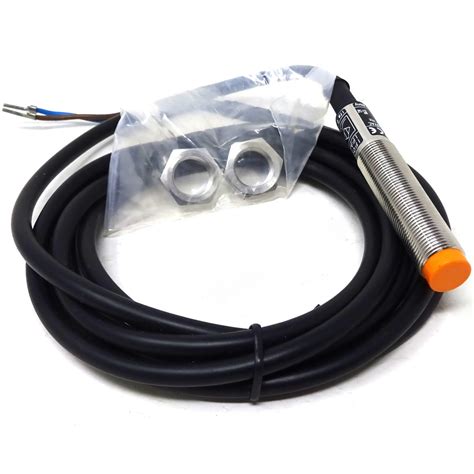
Mastering IFM IF0007: Essential Guide for Industrial Automation
Introduction to the IFM IF0007 Proximity Sensor: Your Automation Game Changer
Hey there, automation enthusiasts and industrial innovators! Today, we’re diving deep into a component that’s absolutely crucial for anyone looking to
optimize industrial processes
and achieve peak operational efficiency: the
IFM IF0007 proximity sensor
. When we talk about
industrial automation
, it’s not just about flashy robots or complex AI; it’s often the unsung heroes like the
IFM IF0007
that form the backbone of reliable and precise control systems. This little powerhouse, part of IFM Electronic’s incredible lineup, is designed to bring unparalleled accuracy and durability to your production lines, making it an indispensable tool for everything from manufacturing to material handling.
Table of Contents
- Introduction to the IFM IF0007 Proximity Sensor: Your Automation Game Changer
- Deep Dive into IFM IF0007 Features and Technical Specifications: What Makes It Tick?
- Unlocking Efficiency: The Core Benefits of Integrating IFM IF0007 in Your Systems
- Diverse Applications of the IFM IF0007: Where Does It Shine Brightest?
- Installation, Configuration, and Maintenance Best Practices for Your IFM IF0007
Think about it, guys – in the fast-paced world of modern industry,
precision detection
is non-negotiable. Whether you’re counting parts, ensuring correct positioning, or monitoring the presence of objects without physical contact, you need a sensor you can trust. That’s exactly where the
IFM IF0007
shines. It’s not just another sensor; it’s a testament to IFM’s commitment to high-quality engineering and practical innovation. This article is going to be your ultimate guide, breaking down everything you need to know about this specific model. We’ll explore its robust features, unravel its technical specifications, highlight the immense benefits it brings to your operations, and even discuss its diverse
applications
across various industries. Our goal here is to give you a comprehensive overview, helping you understand why the
IFM IF0007
isn’t just a component, but a strategic investment for enhancing your factory’s
reliability
and
efficiency
. So, buckle up, because by the end of this read, you’ll be a true expert on this essential piece of
industrial technology
.
Deep Dive into IFM IF0007 Features and Technical Specifications: What Makes It Tick?
Alright, let’s get into the nitty-gritty and understand what truly makes the
IFM IF0007
a standout in the world of
industrial sensors
. This isn’t just about knowing it’s a
proximity sensor
; it’s about appreciating the engineering brilliance behind its
robust design
and
precise detection capabilities
. When you’re selecting equipment for demanding industrial environments,
durability
and
accuracy
are paramount, and the
IFM IF0007
delivers on both fronts. At its core, the
IFM IF0007
is an
inductive proximity sensor
, meaning it detects metallic objects without making physical contact, relying on a high-frequency electromagnetic field. This contact-less operation is a massive advantage, significantly reducing wear and tear, and thereby extending the lifespan of both the sensor and the machinery it monitors.
One of the first things you’ll notice about the
IFM IF0007 features
is its impressive sensing range. While specific models within the IF0007 series might have slight variations, they generally offer a reliable detection distance, crucial for various applications. For instance, many versions are designed with an
enhanced sensing distance
which means greater flexibility in mounting and less susceptibility to damage from accidental contact. Furthermore, its output type is typically either PNP or NPN, catering to different control system requirements. This
versatility
ensures seamless integration into existing setups, whether you’re working with PLCs or other automation controllers. The
connection type
is another critical aspect, with options usually including standard M12 connectors, simplifying wiring and reducing installation time. This plug-and-play approach is a huge win for maintenance teams, allowing for quick replacements if ever needed. The
housing material
often consists of robust metals like stainless steel or brass, providing exceptional resistance to mechanical shock, vibration, and even corrosive agents, making the
IFM IF0007
suitable for harsh industrial conditions. Add to that an impressive
IP protection class
, typically IP67 or even IP68, which means it’s dust-tight and protected against powerful water jets or even temporary immersion. This level of environmental protection is non-negotiable for
reliable operation
in challenging settings.
Moving on to the
technical specifications
, the
IFM IF0007
operates within a standard
operating voltage
range, commonly 10-30V DC, making it compatible with most industrial power supplies. Its
switching frequency
is often high, allowing for rapid detection of fast-moving objects, which is essential in high-speed manufacturing lines. This quick response time ensures that no parts are missed and that processes remain uninterrupted. The
current consumption
is typically low, contributing to energy efficiency in your overall system. Moreover, many models incorporate
short-circuit protection
and
reverse polarity protection
, safeguarding both the sensor and your control system from common electrical mishaps. These built-in protective measures are vital for preventing costly downtime and ensuring the long-term
reliability
of your automation infrastructure. When you consider these elements together, it’s clear that the
IFM IF0007
is engineered not just to perform, but to excel and endure, truly making it a smart choice for
smart factories
.
Unlocking Efficiency: The Core Benefits of Integrating IFM IF0007 in Your Systems
Let’s be real, guys – in today’s competitive industrial landscape,
operational efficiency
isn’t just a buzzword; it’s the lifeline of any successful enterprise. And when it comes to boosting that efficiency, integrating the
IFM IF0007 proximity sensor
into your systems offers a stack of undeniable
benefits
. This isn’t just about adding a new piece of hardware; it’s about making a strategic upgrade that pays dividends in
productivity
,
cost savings
, and overall
system stability
. First and foremost, one of the biggest
IFM IF0007 benefits
is the significant increase in
uptime
. Because it’s an inductive sensor, it detects metallic objects without any physical contact. This means zero mechanical wear and tear on the sensor itself, and no damage to the detected objects. Fewer moving parts and no contact translate directly into
reduced maintenance requirements
and, consequently, fewer unplanned stoppages. Imagine a production line running smoothly, day in and day out, with minimal intervention needed for sensor-related issues. That’s the power of the
IFM IF0007
.
Beyond just preventing downtime, the
IFM IF0007
also plays a crucial role in
improving process control
. Its
precise and reliable detection
capabilities ensure that every part, every component, and every position is accurately monitored. This level of accuracy minimizes errors, reduces scrap rates, and ensures consistent product quality. For example, in assembly lines, knowing exactly when a component is in place allows the next stage of the process to begin without delay or error, creating a seamless and error-free workflow. This enhanced control leads to a much more predictable and stable manufacturing environment. Furthermore, the
cost savings
associated with the
IFM IF0007
are multifaceted. As we mentioned,
reduced downtime
means less money lost to idle production. Lower maintenance costs translate into savings on parts and labor. And with improved process control, you’re looking at less material waste and higher quality outputs, which directly impacts your bottom line. It’s a classic case of a small investment leading to substantial returns over the long term.
Moreover, the robust design and high
IP protection ratings
of the
IFM IF0007
mean it can withstand harsh environments – think dust, moisture, vibrations, and temperature fluctuations. This resilience means you’re not constantly replacing sensors due to environmental damage, further contributing to
cost-effectiveness
and
reliability
. From a
safety
perspective, automated detection reduces the need for human intervention in potentially hazardous areas, thereby enhancing
workplace safety
. Employees can focus on tasks that require human judgment, while the
IFM IF0007
handles repetitive, precise detection tasks in zones that might otherwise pose risks. In essence, integrating the
IFM IF0007
into your
industrial automation systems
is about building a smarter, more resilient, and more profitable operation. It’s about leveraging advanced
sensor technology
to not just react to problems, but to proactively prevent them, ensuring your facility runs at its absolute best. This sensor isn’t just a component; it’s a cornerstone of modern,
efficient manufacturing
.
Diverse Applications of the IFM IF0007: Where Does It Shine Brightest?
So, we’ve talked about what the
IFM IF0007
is and the incredible
benefits
it brings, but now let’s explore where this
versatile sensor
truly
shines brightest
: its vast array of
applications
across various industries. Guys, the beauty of the
IFM IF0007 proximity sensor
lies in its adaptability. Because of its
non-contact detection
,
durability
, and
precision
, it’s become an indispensable tool in pretty much any scenario where you need to reliably detect the presence or position of metallic objects. This makes the
IFM IF0007 applications
incredibly diverse, impacting everything from the food we eat to the cars we drive.
Let’s start with the heart of many economies:
manufacturing
. In a typical
manufacturing plant
, the
IFM IF0007
is a true workhorse. It’s often used for
part detection
on conveyor belts, ensuring that components are correctly aligned before entering the next stage of assembly. Imagine an automotive factory, where precision is paramount; the
IFM IF0007
can reliably confirm that a specific metal bracket is in its exact position before a robotic arm proceeds with welding or fastening. This
position sensing
capability is critical for
quality control
and preventing costly errors. Similarly, in the
packaging industry
, these sensors are vital for detecting the presence of caps on bottles, ensuring that boxes are properly filled, or confirming that containers are correctly positioned for sealing. Their high
switching frequency
means they can keep up with the rapid pace of modern packaging lines without missing a beat, leading to higher throughput and
reduced waste
.
Beyond
manufacturing
and
packaging
, the
IFM IF0007
finds extensive use in
material handling
and
logistics
. Think about automated warehouses or distribution centers; these sensors are key for detecting the presence of pallets on forklifts, monitoring the position of goods on automated guided vehicles (AGVs), or ensuring that items are correctly loaded onto sorting systems. They prevent collisions, guide machinery, and ensure the smooth flow of materials, which is absolutely vital for efficient supply chain operations. In
machine tools
and
robotics
, the
IFM IF0007
acts as a crucial feedback mechanism. It confirms that tooling is in its home position, that clamps are engaged, or that robotic grippers have successfully picked up a metallic part. This enables
precise control
over machine movements and ensures the
safe operation
of complex robotic systems.
Even in more specialized environments like the
food and beverage industry
, where hygiene and harsh washdown procedures are common, the robust
stainless steel housing
and high
IP ratings
of many
IFM IF0007
models make them perfectly suited. They can detect metal cans, bottles, or processing equipment, all while standing up to rigorous cleaning protocols. This ensures not only operational efficiency but also compliance with strict
hygiene standards
. Furthermore, in
general industrial automation
, from
textile machinery
to
woodworking equipment
, the need for reliable
metal detection
is constant. The
IFM IF0007
provides that unwavering
reliability
, contributing to
safer
,
faster
, and
more accurate operations
across the board. It’s clear that wherever
precision
,
durability
, and
non-contact detection
are needed for metallic objects, the
IFM IF0007
steps up to the plate, proving itself to be an incredibly
versatile
and
valuable component
in virtually any automated setup.
Installation, Configuration, and Maintenance Best Practices for Your IFM IF0007
Alright, folks, you’ve got your awesome
IFM IF0007 proximity sensor
, and you’re hyped to integrate it into your system. But before you just slap it on and hope for the best, let’s talk about some
installation
,
configuration
, and
maintenance best practices
. Getting these steps right is absolutely critical for maximizing the
performance
and
longevity
of your sensor, ensuring you get all those sweet
IFM IF0007 benefits
we discussed earlier. Proper setup isn’t just about making it work; it’s about making it work
optimally
and
reliably
for years to come.
First up,
installation
. When you’re mounting your
IFM IF0007
, always refer to the specific
product manual
. While these sensors are robust, paying attention to details like
minimum spacing
between sensors and surrounding metal can prevent interference and ensure accurate readings. Avoid mounting the sensor too close to strong electromagnetic fields, if possible, as this could also affect its performance. Make sure the mounting surface is stable and free from excessive vibration that isn’t isolated. Use the recommended mounting brackets and hardware to secure the sensor firmly. A loose sensor is an unreliable sensor! For
wiring
, again, the manual is your best friend. Pay close attention to the
pinout diagram
for power, ground, and signal output. Incorrect wiring can damage the sensor or your control system. Use
shielded cables
if operating in electrically noisy environments to prevent false triggers or signal degradation. Always ensure power is disconnected before performing any wiring to guarantee
safety
. After physical installation and wiring, you’ll want to perform a basic
configuration
check. Most
IFM IF0007
sensors are essentially plug-and-play, but you’ll want to verify the
output status
with an LED indicator (if present) or by monitoring the signal at your PLC or controller. Test the sensor’s functionality by bringing a known metallic object into its
sensing range
and observing the output. Adjust the position if the detection isn’t consistent or if it’s picking up unintended objects.
Now, let’s chat about
maintenance tips
. The beauty of an
inductive proximity sensor
like the
IFM IF0007
is its
low maintenance
nature due to its non-contact operation. However,
