Fix Nginx 404 Errors In Aapanel Easily
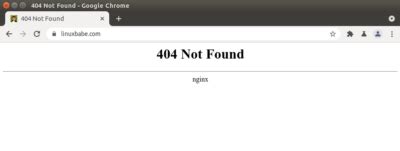
Fix Nginx 404 Errors in aapanel Easily
Hey guys! So, you’re probably here because you’ve run into that dreaded “404 Not Found” error when using Nginx with aapanel, and it’s super frustrating, right? Don’t worry, you’re not alone! This is a super common issue, and thankfully, it’s usually pretty straightforward to fix. We’re going to dive deep into why this happens and, more importantly, how to get your website back up and running smoothly. A 404 error basically means the server can’t find the page you’re trying to access. Think of it like trying to find a specific book in a library, but the librarian tells you they don’t have it – the path you’re taking to get there is wrong, or the book itself is missing. In the world of web servers like Nginx, this usually boils down to a few key things: incorrect file paths, misconfigured server blocks (virtual hosts), or issues with your application’s routing. When you’re managing your server through a control panel like aapanel, things can sometimes get a little tangled, especially if you’ve made changes or installed new applications. We’ll break down all the common culprits and walk you through step-by-step solutions so you can banish those 404s for good!
Table of Contents
Understanding the Nginx 404 Not Found Error in aapanel
Alright, let’s get down to the nitty-gritty of what this “404 Not Found” error actually means when Nginx is involved, especially within the aapanel environment. Essentially, a 404 error is an HTTP status code, and it’s the server’s way of saying, “I looked for what you asked for, but it’s not here.” When you type a URL into your browser, your computer sends a request to the web server. Nginx, in this case, receives that request and tries to locate the requested file or resource based on its configuration. If Nginx can’t find the file at the specified location, it sends back a 404 error page to your browser. Now, within aapanel, which is a pretty awesome and user-friendly server control panel, managing your Nginx configurations is made a lot simpler. However, this abstraction can sometimes mask the underlying issues, making troubleshooting a bit trickier if you don’t know where to look. Common reasons for a 404 in an Nginx/aapanel setup include: incorrect document root settings , where Nginx is looking for your website’s files in the wrong directory; misconfigured server blocks (virtual hosts) , which are crucial for telling Nginx how to handle requests for different domains; issues with rewrite rules or .htaccess files (though Nginx handles these differently than Apache, the logic can be similar); and sometimes, problems with the actual application you’re running, like a WordPress site or a custom script, which might not be routing requests correctly. It’s like Nginx is following a map, but the map has a wrong turn, or the destination marker is misplaced. We’ll be exploring each of these potential pitfalls and providing clear, actionable steps within the aapanel interface to help you pinpoint and resolve the root cause of your 404 errors, ensuring your visitors have a seamless experience on your site. Keep in mind that Nginx is known for its speed and efficiency, so resolving these errors promptly is key to leveraging its full potential.
Common Causes of Nginx 404 Errors in aapanel
Let’s break down the most frequent culprits behind those annoying
404 Not Found
errors when you’re running Nginx through aapanel, guys. Understanding these will save you a ton of headache and time. First up, we have
incorrectly configured document roots
. This is probably the most common reason. The document root is the directory on your server where your website’s files (like HTML, CSS, JavaScript, and images) are stored. If Nginx is configured to look for files in
/var/www/html
but your website files are actually in
/var/www/mywebsite
, Nginx won’t find them and will throw a 404. In aapanel, when you add a website, you specify a directory for it. If this directory is wrong, or if you’ve manually edited Nginx configuration files and made a typo, you’ll hit this problem. Another big one is
misconfigured server blocks (virtual hosts)
. Server blocks tell Nginx which website to serve when a request comes in for a specific domain name. If the
server_name
directive doesn’t match the domain you’re using, or if the
root
directive within the server block is incorrect, Nginx won’t know where to find your site’s content. This is especially critical if you host multiple websites on the same server.
Issues with symbolic links (symlinks)
can also cause headaches. If your website files are in one location, but you’ve created a symlink in the expected directory that points to the wrong place or is broken, Nginx will fail to find the actual files. Fourth, let’s talk about
permissions
. Nginx runs as a specific user (often
www-data
). If this user doesn’t have the necessary read permissions for the directories and files of your website, it won’t be able to access them, leading to a 404. Make sure the Nginx user can read everything it needs to. Lastly, and this is more application-specific,
problems with your web application’s routing
can trigger 404s. For example, if you’re running a PHP application like WordPress, and its internal routing mechanism is broken or misconfigured, it might tell Nginx that a certain URL doesn’t exist, even if the file is there. This can happen after migrating a site or making significant changes to your application’s structure. We’ll tackle how to check and fix each of these points within aapanel’s interface.
Checking and Correcting Document Root in aapanel
So, the
document root
is super important, guys. It’s basically the home base for all your website’s files. If Nginx, the powerful web server we’re using with aapanel, can’t find this home base, you’re going to get that dreaded 404 error. Let’s walk through how to check and fix this right within aapanel. First things first, log into your aapanel dashboard. Navigate to the
“Website”
section. Here, you’ll see a list of all the websites you’ve added. Find the website that’s giving you the 404 error and click on its
“Settings”
or
“Manage”
button. Inside the website’s settings, look for an option related to the
“Web Root”
or
“Directory”
. This is your document root. It will usually look something like
/www/yourdomain.com/public_html
or a similar path.
Crucially, you need to verify that this path actually exists on your server and that your website files are indeed located inside this directory.
You can use an SSH client like PuTTY or Terminal to connect to your server and check the directory structure. Once connected, use the
cd
command to navigate to the path shown in aapanel. For example, if aapanel says your web root is
/www/myawesomesite.com/public_html
, you’d type
cd /www/myawesomesite.com/public_html
. Then, use the
ls
command to list the files. You should see your
index.html
,
index.php
, or other primary files there. If the directory doesn’t exist, or if it’s empty, that’s your problem! In aapanel, you can usually create this directory if needed, or correct the path if you made a typo when setting up the site.
Sometimes, the issue might be that you uploaded your files to the wrong folder.
Double-check your FTP or file manager uploads. If you find that the path in aapanel is correct, but your files are elsewhere, you can either move the files to the correct directory or update the web root setting in aapanel to point to where your files actually are. Remember to
save your changes
in aapanel after making any corrections. After fixing the document root, it’s a good idea to
clear your browser cache
and
try accessing your website again
. If the 404 persists, we’ll move on to other potential causes, but getting the document root right is foundational.
Verifying Nginx Server Block (Virtual Host) Configuration
Alright, let’s tackle another major player in the
Nginx 404 Not Found
game: the server block configuration. Think of a server block like a set of instructions specifically for a particular website hosted on your server. Nginx uses these blocks to know how to handle incoming requests for different domain names. If these instructions are wrong, Nginx can get lost, leading to those pesky 404s. In aapanel, these configurations are generally managed for you, but sometimes manual edits or updates can cause issues. The key directives we’re interested in are
server_name
and
root
. The
server_name
directive tells Nginx which domain(s) this block applies to (e.g.,
yourdomain.com www.yourdomain.com
). The
root
directive, as we discussed, specifies the document root for that specific server block. To check this in aapanel, go back to your
Website settings
for the affected site. Look for an option to view or edit the
Nginx configuration file
. This might be under an
“Advanced Settings”
or
“Nginx Configuration”
tab.
It’s vital to be careful when editing these files directly, as syntax errors can break your entire website or even Nginx itself.
You’ll want to find the
server { ... }
block that corresponds to your domain. Inside this block, verify: 1.
server_name
: Does it correctly list your domain name(s)? Make sure there are no typos. If you’re using subdomains, ensure they are listed correctly (e.g.,
sub.yourdomain.com
). 2.
root
: Does this directive point to the correct document root directory we discussed earlier? It should match the path you verified in the previous step. 3.
index
directive
: This specifies the default file to serve when a directory is requested (e.g.,
index.html index.htm index.php
). Ensure it includes the default file for your application (like
index.php
if you’re using a PHP framework or CMS). If you’ve made any changes,
save the configuration file
within aapanel. aapanel usually has a button to
“Reload Nginx”
or
“Apply Configuration”
after you make changes. You
must
click this for the changes to take effect. Sometimes, especially after installing SSL or making other significant changes, Nginx might not reload properly. You might need to restart the Nginx service entirely through aapanel’s
“Service Management”
or
“System Services”
section. Again,
clear your browser cache
before re-testing. If you’re unsure about direct Nginx configuration, aapanel often provides simpler toggles for common settings that might indirectly affect these directives, so explore those first.
Troubleshooting File Permissions for Nginx
Permissions, permissions, permissions! Guys, this is another one that trips people up constantly, especially with Nginx. Remember, Nginx runs as a specific user on your server – typically
www-data
on Debian/Ubuntu systems or
nginx
on CentOS/RHEL. For Nginx to serve your website files, this user
must
have the necessary permissions to
read
the files and
execute
directories in your website’s path. If the permissions are too restrictive, Nginx can’t access the files, and bam! – you get a 404 error, even if the files and directories are all there and correctly named. In aapanel, managing file permissions can be done through the
“File Manager”
or sometimes via SSH. Let’s focus on how to check and correct them. First, connect to your server via SSH. Navigate to your website’s document root directory. You can use the
ls -l
command to view the files and directories along with their permissions and ownership. The output will look something like this:
-rw-r--r-- 1 www-data www-data 1234 Jan 1 10:00 index.html
. The first part (
-rw-r--r--
) shows the permissions. The first character indicates the file type (
-
for file,
d
for directory). The next three (
rw-
) are permissions for the owner, the next three (
r--
) for the group, and the last three (
r--
) for others. We need to ensure the
www-data
user (or whatever user Nginx runs as) has read access. For files,
644
(
rw-r--r--
) is usually sufficient. For directories, you need read
and
execute permissions so Nginx can traverse into them.
755
(
rwxr-xr-x
) is a common and safe permission for directories. To change permissions, you use the
chmod
command. For example:
chmod -R 755 /www/yourdomain.com/public_html
would set all directories within that path to 755. And
chmod -R 644 /www/yourdomain.com/public_html/*
would set all files to 644.
It’s crucial to use the
-R
(recursive) flag carefully, as it applies changes to all subdirectories and files.
You might want to be more specific. Also, check the
ownership
. The
chown
command can change ownership. For instance,
chown -R www-data:www-data /www/yourdomain.com/public_html
ensures that the
www-data
user and group own all files and directories. In aapanel’s File Manager, you can usually right-click on files and folders to find an option to change permissions (CHMOD) and ownership (CHOWN). Look for options like “Change Permissions” or “Set Ownership”.
Be cautious about setting permissions too broadly (like 777), as this can be a major security risk.
After adjusting permissions, always
reload or restart Nginx
and
clear your browser cache
to see if the 404 error is resolved.
Advanced Troubleshooting: Nginx Rewrite Rules and Application Routing
Okay, so you’ve checked the document root, verified server blocks, and ensured permissions are spot on, but you’re
still
getting those annoying
404 Not Found
errors in Nginx with aapanel? Don’t panic! We’re moving into the slightly more advanced territory now, focusing on
Nginx rewrite rules
and how your web application handles requests. This is often where single-page applications (SPAs) or CMS platforms like WordPress can cause issues if not configured correctly. Nginx uses
rewrite
directives, usually within your server block configuration, to change the requested URL before Nginx tries to serve it. This is powerful but can be a source of 404s if the rules are incorrect or conflict with each other. For example, you might have a rule intended to force HTTPS, or redirect
www
to non-
www
, or handle clean URLs for your application. If a rewrite rule incorrectly modifies the URL or points to a non-existent location, Nginx will return a 404. You can view your Nginx configuration file in aapanel as described before. Look for
rewrite
directives. A common pattern is
rewrite ^/old-page$ /new-page permanent;
or
rewrite ^/(.*)$ /index.php?$1 last;
. The
last
flag tells Nginx to stop processing rewrite rules and apply the new URI to the current
location
block, while
break
stops processing rewrite rules and starts the regular location processing with the rewritten URI. The
permanent
flag performs a 301 redirect.
If your application relies on clean URLs (like
/about-us
instead of
/index.php?page=about-us
), you’ll likely have a rewrite rule pointing all non-existent files/directories to your main
index.php
file.
A typical rule for frameworks like Laravel or Symfony, or CMS like WordPress, looks something like this inside the
location / { ... }
block:
nginx location / { try_files $uri $uri/ /index.php?$query_string; }
This
try_files
directive is key. It tells Nginx to first try to find the requested file (
$uri
), then a directory matching the request (
$uri/
), and if neither exists, internally redirect the request to
/index.php
with the original query string.
If this
try_files
line is missing or incorrect, your application’s routing won’t work, leading to 404s for valid dynamic pages.
Now, let’s talk about
application-level routing
. Even if Nginx finds
index.php
(thanks to
try_files
), your application itself needs to understand the URL. If your WordPress permalinks are broken, or your Laravel route definitions are missing an entry for the requested URL, the application will return a 404 error, even though Nginx itself didn’t directly cause it. For WordPress, this often means going to
Settings -> Permalinks
in your admin dashboard and simply clicking
“Save Changes”
again. This action often forces WordPress to regenerate its rewrite rules, which Nginx then reads. If you’ve recently migrated your site or changed your application’s code, double-check your routing configuration files (e.g.,
routes/web.php
in Laravel).
Always remember to reload or restart Nginx in aapanel after modifying Nginx configuration files.
And yes, you guessed it:
clear your browser cache!
These advanced issues require a bit more digging, but by systematically checking rewrite rules and ensuring your application is correctly handling routes, you can squash those stubborn 404s.
Checking Nginx Logs for Clues
When all else fails, the
Nginx error logs
are your best friend, guys! They are a goldmine of information that can tell you exactly why a 404 error is occurring. Think of logs as the server’s diary – it records everything, including when it couldn’t find a file. In aapanel, accessing these logs is usually quite straightforward. Navigate to the
“Logs”
section for your website, or look for a general
“Nginx Logs”
area in the main dashboard. You’ll typically see two main log files:
access.log
and
error.log
. The
access.log
records every request made to your server, including the status code returned (like 200 for OK, 404 for Not Found). The
error.log
is where the magic happens for troubleshooting.
This is where Nginx writes messages about problems it encounters.
When you get a 404 error, you should find corresponding entries in the
error.log
around the time of the request. Look for lines that mention
”(13: Permission denied)”
,
”(2: No such file or directory)”
, or similar error messages. For instance, you might see:
[error] 1234#1234: *5678 stat() "/var/www/yourdomain.com/public_html/nonexistent-page.html" failed (2: No such file or directory), client: 192.168.1.100, server: yourdomain.com, request: "GET /nonexistent-page.html HTTP/1.1"
. This tells you Nginx tried to find
/var/www/yourdomain.com/public_html/nonexistent-page.html
but couldn’t because it simply doesn’t exist there. Another common error might be related to permissions:
[error] 1234#1234: *5679 open() "/var/www/yourdomain.com/public_html/protected-file.jpg" failed (13: Permission denied)
. This points directly to a file permissions issue.
To view these logs effectively, you can use the log viewer within aapanel, or connect via SSH and use commands like
tail -f /var/log/nginx/error.log
(the exact path might vary slightly depending on your aapanel setup).
The
tail -f
command shows you the log entries in real-time as they happen, which is incredibly useful when you’re trying to reproduce the error. By carefully examining the error messages, you can often get a precise diagnosis of the problem – whether it’s a missing file, incorrect path, or a permissions snag. This log analysis is often the fastest way to zero in on the solution. Don’t underestimate the power of the logs, guys!
Final Steps and Prevention
So, we’ve journeyed through the common causes and solutions for those pesky
Nginx 404 Not Found errors
within aapanel. Before we wrap up, let’s quickly recap the key steps and talk about how to prevent this from happening again.
Recap:
We looked at checking your
document root
, verifying
Nginx server block configurations
(specifically
server_name
and
root
), ensuring correct
file and directory permissions
, and delving into advanced issues like
rewrite rules and application routing
. We also emphasized the importance of checking the
Nginx error logs
for specific clues. After implementing any fixes, remember the golden rules:
always reload or restart Nginx
via aapanel to apply changes, and
clear your browser cache
to ensure you’re seeing the latest version of your site.
Prevention is key
, right? Here are a few tips to minimize future 404s: 1.
Be Meticulous with File Paths
: Whenever you upload files, move directories, or configure settings, double-check the exact path. Typos are the silent killers of websites. 2.
Use aapanel’s Features
: Leverage aapanel’s interface as much as possible for managing websites, Nginx settings, and SSL. Direct editing of Nginx config files should be a last resort unless you’re very comfortable with it. 3.
Backup Regularly
: Before making major changes (like upgrading your CMS, changing server configurations, or migrating sites), always create a full backup of your site and server through aapanel. This gives you a safety net. 4.
Understand Your Application
: Know how your CMS or framework handles URLs and routing. Familiarize yourself with its permalink settings or routing configuration. 5.
Test After Changes
: After any update, plugin installation, or configuration change, perform a quick check of your website, especially key pages, to ensure no 404s have appeared. By staying vigilant and systematically troubleshooting, you can keep your Nginx-powered websites running smoothly on aapanel. You’ve got this, guys!
