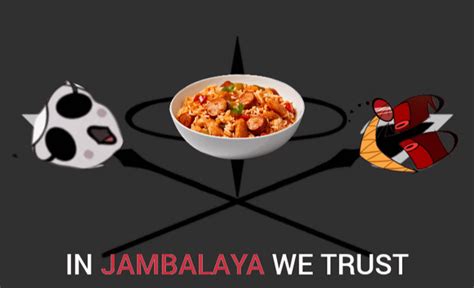
Decoding Jambalaya: What It Means and Why We Love ItOkay, guys, let’s cut to the chase and talk about
Jambalaya
. If you’ve ever heard this word and wondered, “What
is
that, exactly? What does
Jambalaya artinya
?” then you’re in the right place.
Jambalaya
isn’t just a funky-sounding word; it’s a culinary icon, a deeply flavorful, hearty rice dish that embodies the very soul of Louisiana cuisine. Imagine a pot brimming with rice, various meats (think
spicy sausage
, tender chicken, succulent pork, and sometimes even seafood like shrimp or crawfish), and a vibrant mix of vegetables, all cooked together in a rich, seasoned broth. That, my friends, is the essence of
Jambalaya
. It’s a one-pot wonder that tells a story of cultural fusion, improvisation, and pure, unadulterated comfort. This isn’t just food; it’s an experience, a celebration of bold flavors and shared heritage. The meaning of
Jambalaya
goes beyond its ingredients; it’s about community, history, and the incredible way different cultures came together to create something truly unique. Originating in the fertile grounds of Louisiana, this dish beautifully marries Spanish paella influences with French techniques and West African ingredients, all spiced up with a distinct American South twist. It’s more than just a meal; it’s a tradition, passed down through generations, each family often having their own beloved version. Whether it’s simmering on a stove for a casual family dinner or bubbling in a huge pot for a lively
Mardi Gras
party,
Jambalaya
always brings people together. It’s warm, it’s comforting, and it packs a serious punch of flavor. From the moment the aroma fills your kitchen, you know you’re in for something special. Trust me, once you understand the depths of
Jambalaya
, you’ll appreciate every single spoonful of this incredible, savory masterpiece. It’s a dish that invites you to slow down, savor each bite, and truly taste the history and passion that goes into it. The diverse range of textures – from the tender rice to the perfectly cooked meats and crisp-tender vegetables – makes every bite an adventure. It’s truly a testament to how simple ingredients, combined with expert seasoning and a lot of love, can create something extraordinarily memorable. Seriously, if you haven’t tried it, you’re missing out on a fundamental piece of American culinary history.## The Roots of Jambalaya: A Culinary History TripLet’s take a little journey back in time, guys, and explore
the roots of Jambalaya
. This isn’t just a random recipe; it’s a living piece of culinary history, deeply intertwined with the vibrant cultural tapestry of Louisiana. The story of
Jambalaya
truly begins with the arrival of Spanish settlers in New Orleans, who brought with them the tradition of
paella
, a fragrant rice dish often cooked with seafood and saffron. However, saffron was a luxury not readily available in the New World, so resourceful cooks had to improvise. This is where the magic started to happen. Over time, as French settlers (including the
Cajuns
who were expelled from Acadia, now Nova Scotia, and resettled in rural Louisiana) and African influences merged,
Jambalaya
began to take its distinct form. It became a fantastic example of
fusion cuisine
before fusion cuisine was even a concept, blending European cooking methods with local ingredients and indigenous flavors. You see, the Spanish influence is key for the rice and one-pot cooking style, while the French brought techniques like sautéing and deglazing, along with their love for rich broths. The West African slaves, who played an integral role in the culinary development of the South, introduced certain spices and cooking methods that further enriched the dish. The very word “Jambalaya” itself is a bit of a mystery, but many linguists believe it’s a blend of French, Spanish, and African words, possibly even derived from the French “jambon” (ham) and “à la” (in the style of), or an African word for rice. Regardless of its exact etymology, the dish evolved as a practical, hearty meal designed to feed many people with readily available ingredients. Early versions were often made with wild game, local vegetables, and whatever scraps of meat were on hand, making it a true peasant dish that made the most of what was available. This adaptability is precisely why
Jambalaya
resonated so deeply with the working-class people of Louisiana. It was economical, filling, and incredibly flavorful. From humble beginnings, it transformed into a staple, a symbol of resilience and culinary innovation. Understanding this background helps you appreciate that when you’re eating
Jambalaya
, you’re not just enjoying a meal; you’re tasting centuries of cultural exchange and the ingenuity of people who learned to make something extraordinary out of necessity and creativity. It’s a testament to the power of food to preserve history and tell stories. Seriously, every bite is a step through time, connecting you to the rich heritage of the Louisiana delta.## What Makes Jambalaya Tick? Key Ingredients and FlavorsAlright, now that we’ve covered the history, let’s talk about the delicious guts of it, guys:
What makes Jambalaya tick?
What are the
key ingredients
and
flavors
that give this dish its undeniable appeal? At its core,
Jambalaya
is a rice dish, and while that sounds simple, it’s the supporting cast of ingredients and their harmonious blend that truly makes it sing. First and foremost, you can’t talk about
Jambalaya
without mentioning
The Holy Trinity
of Louisiana cooking:
onions, bell peppers, and celery
. These three humble vegetables form the aromatic foundation of almost every savory dish in the region, and
Jambalaya
is no exception. They’re usually sautéed until softened, creating a fragrant base that sets the stage for everything else. Next up, we’ve got the stars of the protein show. While variations exist, the most classic
Jambalaya
recipes typically feature a combination of meats.
Andouille sausage
is a non-negotiable for many – its smoky, spicy kick is absolutely essential. This isn’t just any sausage; it’s a specific type of smoked sausage that brings a depth of flavor that’s hard to replicate. Alongside the sausage, you’ll often find
chicken
(usually cut into bite-sized pieces) and sometimes
pork
(like smoked ham or pork shoulder). In
Creole Jambalaya
, you’ll frequently see
seafood
added, such as plump shrimp or succulent crawfish tails, particularly when made closer to the coast or in New Orleans. These meats are usually browned first, which not only cooks them but also develops a rich, savory crust and releases fantastic flavors into the pot, a crucial step for building depth. Then, of course, there’s the
rice
. Long-grain white rice is the standard. It absorbs all those amazing flavors from the broth and seasonings without becoming overly sticky. Getting the rice just right – tender but with a slight chew – is key to a perfect
Jambalaya
. Finally, the
spice blend
is where the magic truly happens. While recipes vary, common seasonings include
paprika
,
cayenne pepper
(for that characteristic Louisiana kick!),
garlic
(and lots of it!),
thyme
,
oregano
, and
bay leaves
. A good quality
chicken or seafood broth
is also crucial for cooking the rice and infusing the entire dish with a rich, savory foundation. These elements come together to create a dish that’s savory, a little smoky, subtly spicy, and incredibly comforting. Each ingredient plays its part, contributing to a complex flavor profile that is truly unique to
Jambalaya
. It’s a symphony of tastes and textures that keeps you coming back for more, bite after delicious bite. The way these simple components transform into such an iconic and hearty meal is really quite remarkable, showcasing the culinary wisdom passed down through generations.## Creole vs. Cajun Jambalaya: Understanding the DifferencesAlright, listen up, guys, because this is where things get really interesting and often a little confusing for newcomers: the distinction between
Creole Jambalaya
and
Cajun Jambalaya
. While both are undeniably delicious and proudly
Jambalaya
, they hail from different regions of Louisiana and have distinct characteristics, primarily in their
color and primary flavoring agent
. Understanding these differences is key to appreciating the full spectrum of this incredible dish. Let’s start with
Creole Jambalaya
. This style is often referred to as “red Jambalaya” and originates from
New Orleans
, the bustling, cosmopolitan port city. The defining characteristic of
Creole Jambalaya
is the inclusion of
tomatoes
or
tomato products
(like tomato paste or crushed tomatoes) in the base. This gives the dish its signature reddish hue and a slightly tangy, richer flavor profile. Because New Orleans was a major port,
Creole cuisine
historically had access to a wider variety of ingredients and influences, including Spanish, French, Italian, African, and Caribbean elements. This is why
Creole Jambalaya
often features a broader array of meats and seafood. You’ll commonly find a mix of smoked sausage (like andouille), chicken, pork, and very often, a generous amount of
shrimp
or
crawfish
. The spices might be a bit more layered, reflecting the diverse culinary heritage of the city. Think of
Creole Jambalaya
as the more “dressed-up” version, often a bit more complex in its ingredient list and presentation. On the flip side, we have
Cajun Jambalaya
. This style comes from the
rural, swampy areas of Southwest Louisiana
, particularly the Acadiana region, where the
Cajun people
settled after being expelled from Acadia.
Cajun Jambalaya
is often called “brown Jambalaya” because it conspicuously
omits tomatoes
. Its rich, dark color and deep flavor come from the technique of
browning the meat
(especially the sausage and chicken) at the beginning of the cooking process, often creating a “gravy” or
fond
at the bottom of the pot. This browning, along with the “Holy Trinity” and a robust seasoning blend, provides all the color and flavor needed. Cajun cooking traditionally relies on more readily available, local ingredients, focusing on efficiency and hearty sustenance. Therefore,
Cajun Jambalaya
typically uses fewer ingredients than its Creole cousin, often just
smoked sausage
,
chicken
, or
pork
. Seafood is less common, though not entirely unheard of, especially if it’s locally caught. The emphasis is on building layers of flavor through technique, particularly browning and slow simmering, rather than relying on an extensive list of components. So, to summarize, the
main differentiator is tomatoes
:
Creole has them, Cajun does not
. Both are incredibly delicious, but offer distinct experiences. One isn’t “better” than the other; they’re simply different expressions of the same beloved dish, each reflecting the unique culinary traditions of their respective regions. Knowing this difference allows you to appreciate the nuance and incredible versatility of
Jambalaya
. Seriously, guys, try both if you get the chance!## How to Whip Up Your Own Jambalaya: Tips for Home CooksAlright, you awesome home cooks, now that you’re practically
Jambalaya
experts on its meaning and history, I bet you’re itching to make some yourself, right? Well, let’s get down to business! Whipping up your own
Jambalaya
at home isn’t as intimidating as it might seem, and trust me, the reward is so worth it. Here are some
pro tips
to guide you through crafting a truly stellar pot of this Louisiana classic. First off, and this is a big one,
don’t skimp on the browning!
Whether you’re making
Creole Jambalaya
or
Cajun Jambalaya
, properly browning your meats (especially that
andouille sausage
and chicken) is absolutely crucial for developing deep, rich flavors. For Cajun style, this browning creates the foundation of your dish’s color and taste. For Creole, it still adds a fantastic layer of savory goodness. Sear those meats until they’re nicely caramelized and have a good crust, then remove them from the pot, leaving behind those flavorful bits (the
fond
) at the bottom. That
fond
is liquid gold, guys! Next, after removing the meat, it’s time for
The Holy Trinity
: your onions, bell peppers, and celery. Sauté them in the same pot, scraping up all those delicious brown bits from the bottom. This process, called
deglazing
, infuses your vegetables with amazing flavor and cleans your pot at the same time. Don’t rush this step; let those veggies soften and sweeten. Once the trinity is translucent,
add your garlic
and cook for just another minute until fragrant – you don’t want burnt garlic! Now, let’s talk
rice
. Long-grain white rice is the traditional choice, and the key is to
not over-stir it
once it’s in the pot with the liquid. Once you add your rice, broth, seasonings, and the browned meats back into the pot, bring it to a boil, then immediately reduce the heat to low, cover tightly, and let it simmer.
Resist the urge to lift the lid or stir constantly!
Every time you peek, you’re letting out precious steam, which is essential for cooking the rice evenly. The goal is fluffy, distinct grains, not a sticky, mushy mess. Let it cook undisturbed for about 20-25 minutes, then turn off the heat and let it sit, still covered, for another 10-15 minutes. This resting period allows the steam to redistribute and finish cooking the rice perfectly. When it comes to
seasoning
, be bold but taste as you go. Louisiana cuisine is known for its robust flavors, so don’t be shy with your
cayenne pepper
,
paprika
,
thyme
, and a good quality
Creole or Cajun seasoning blend
. Remember, you can always add more spice, but you can’t take it away! Finally,
embrace experimentation
. While there are traditional methods,
Jambalaya
is also a dish of improvisation. Don’t have andouille? Use another smoked sausage. Want to throw in some collard greens or corn? Go for it! This is
your
kitchen, guys. The most important thing is to enjoy the process and the incredible, flavorful results. A good
Jambalaya
is a labor of love, a delicious journey that rewards you with a truly satisfying meal that tells a story with every single spoonful. So, grab your biggest pot, gather your ingredients, and get ready to create some culinary magic! You got this!## Why Jambalaya EnduresSo, guys, we’ve journeyed through the
meaning of Jambalaya
, its incredible history, the vibrant ingredients that make it sing, and even tackled the differences between its Creole and Cajun cousins, plus some killer tips for making it at home. Now, let’s wrap this up by reflecting on
why Jambalaya endures
– why this fantastic dish remains such a beloved staple and a powerful symbol of Louisiana’s rich culinary identity.
Jambalaya
isn’t just food; it’s a cultural touchstone, a warm hug in a bowl, and a testament to the power of tradition and innovation. Its endurance, first and foremost, comes from its
unrivaled flavor profile
. Seriously, few dishes can boast such a complex yet comforting blend of savory, smoky, spicy, and aromatic notes all in one bite. The way the meats, the “Holy Trinity,” the rice, and the spices meld together creates something truly unforgettable. It’s a dish that satisfies on every level, hitting all those sweet spots that make you want to go back for a second (or third!) helping. Beyond flavor,
Jambalaya
embodies the
spirit of community and celebration
. It’s often made in large batches, perfect for sharing with family and friends at gatherings, festivals, and backyard barbecues. There’s something inherently communal about a big pot of
Jambalaya
simmering away, drawing everyone in with its intoxicating aroma. It’s a dish that fosters connection, laughter, and shared joy, turning any meal into a special occasion. This social aspect has undeniably contributed to its enduring popularity. Furthermore,
Jambalaya
is incredibly
versatile and adaptable
. While we discussed its traditional forms, it’s a dish that welcomes variation. Home cooks and chefs alike can put their own spin on it, incorporating different meats, vegetables, or levels of spice, making it eternally fresh and exciting. This adaptability means it can evolve with tastes and available ingredients, ensuring its relevance across generations. It’s a dish that says, “come as you are, use what you have, and make it delicious.” Lastly, and perhaps most importantly,
Jambalaya
tells a
powerful story of cultural fusion and resilience
. It’s a living artifact of Louisiana’s unique history, a delicious chronicle of how diverse peoples – Spanish, French, African, and Native American – converged to create something truly extraordinary. Every spoonful connects us to a past filled with resourcefulness, creativity, and the unwavering human spirit to make the best out of any situation. It reminds us that often, the most delicious things come from unexpected blends and a willingness to embrace new ideas. So, whether you’re enjoying a bowl at a bustling New Orleans eatery, a rustic Cajun shack, or your very own kitchen, remember that you’re not just eating
Jambalaya
. You’re partaking in a vibrant legacy, a deeply flavorful tradition that continues to bring warmth, joy, and incredible taste to tables everywhere. Seriously, guys, that’s why
Jambalaya
isn’t going anywhere anytime soon – and we wouldn’t have it any other way!
