Apache Helicopter Radar: Stealth & Precision Revealed
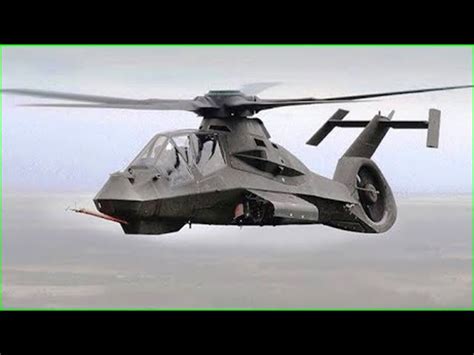
Apache Helicopter Radar: Stealth & Precision Revealed
Unveiling the Power of Apache Helicopter Radar
The
Apache Helicopter Radar
is, without a doubt, one of the most critical pieces of technology equipping this legendary rotorcraft, guys. When we talk about military might and unparalleled battlefield dominance, the
AH-64 Apache
stands tall, and a massive chunk of its effectiveness comes directly from its cutting-edge radar system. This isn’t just any radar; it’s a game-changer, providing pilots with an almost clairvoyant view of the operational environment, turning the Apache into a formidable hunter in the skies. It fundamentally redefines
modern warfare
tactics by allowing for sophisticated
target acquisition
and precise engagement, even when the enemy thinks they’re safely hidden. This advanced system truly empowers the Apache, enabling it to operate with a level of autonomy and precision that few other aircraft can match. It’s an indispensable component that contributes to the helicopter’s overall strategic value and mission success rate, making it a cornerstone of contemporary aerial combat strategies.
Table of Contents
Seriously, imagine flying into a complex, high-threat zone. You’re not just relying on your eyes anymore; you’ve got this incredible sensor array actively scanning, identifying, and tracking potential threats and targets long before they even know you’re there. This
Apache radar system
isn’t merely a detection tool; it’s an intelligent information-gathering powerhouse that integrates seamlessly with the helicopter’s weapon systems. Its primary role extends beyond simple detection, diving deep into
reconnaissance
by providing detailed terrain mapping, identifying obstacles, and assessing potential landing zones in real-time. This level of situational awareness is
absolutely vital
for mission success and, more importantly, for the safety of the crew. By giving pilots such a clear and detailed picture of their surroundings, the radar enhances their ability to make critical decisions under pressure, reducing guesswork and increasing confidence in high-stakes situations. It’s truly about giving them an unfair advantage.
The sophistication of the
Apache's radar
gives it an undeniable edge. We’re talking about a system that can cut through smoke, fog, and even heavy rain, something traditional optical systems struggle with. This
military technology
allows the Apache to operate effectively day or night, in almost any weather condition, transforming what would be “no-fly” zones for other aircraft into viable combat arenas. Pilots can execute daring maneuvers and engage targets from standoff distances, keeping themselves out of immediate harm’s way while still delivering devastating firepower. It’s this blend of sophisticated sensing and lethal precision that makes the Apache, armed with its radar, a truly dominant force. The ability to maintain operational effectiveness regardless of environmental factors means the Apache can provide continuous support and threat deterrence, a capability that is invaluable in sustained military operations.
What’s truly remarkable about the
Apache Helicopter Radar
is its ability to
filter out clutter
and focus on what matters. In a busy battlefield environment, filled with vehicles, buildings, and natural formations, distinguishing between a civilian truck and an enemy tank is paramount. The radar excels at this, using advanced algorithms to classify targets, providing the pilot with not just a ‘blip’ on the screen, but detailed information about the type of threat, its speed, and its direction. This isn’t just about finding things; it’s about
understanding
the tactical picture in an instant, enabling rapid decision-making under intense pressure. This capability significantly enhances the Apache’s role in
target acquisition
, ensuring that valuable munitions are expended on high-value, confirmed threats. This constant, real-time flow of actionable intelligence makes the Apache a versatile platform, capable of supporting ground troops, conducting interdiction missions, and even performing armed reconnaissance with unprecedented effectiveness. It’s a testament to the engineering prowess behind this incredible piece of
military technology
, ensuring the Apache remains at the forefront of aerial combat for years to come. This intelligent filtering and classification are what truly elevate the Apache’s radar beyond mere detection, into the realm of tactical intelligence.
How Apache Radar Systems Work: A Deep Dive
Alright, let’s get into the nitty-gritty of
how
this amazing
Apache radar system
actually functions, guys. At its core, any radar works by emitting radio waves and then listening for the echoes that bounce back off objects. The time it takes for these waves to return, and the changes in their frequency, allow the radar to calculate an object’s distance, speed, and direction. But the
Apache's radar
isn’t just any old radar; it utilizes some seriously advanced
Millimeter Wave Radar
(MMW) technology, specifically the
AN/APG-78 Longbow Fire Control Radar (FCR)
, which is mounted in that distinctive dome above the rotor mast. This particular frequency band offers several key advantages, including higher resolution and a reduced susceptibility to ground clutter, making it ideal for detecting smaller targets amidst complex terrain. The use of millimeter waves allows for a much narrower beam, which translates to superior angular resolution and the ability to differentiate between closely spaced objects that would blur together with lower-frequency radars.
The
AN/APG-78 Longbow
is truly the brain of the Apache’s targeting system. Unlike conventional radars that might struggle with distinguishing between a stationary vehicle and a rock, MMW technology allows for incredibly precise imaging. It can
detect, classify, and prioritize targets
automatically. Imagine this: the radar sends out incredibly short pulses of millimeter waves. When these pulses hit something, they reflect back. The Longbow radar analyzes these reflections with astonishing speed and accuracy. It can differentiate between various types of vehicles – tanks, armored personnel carriers, trucks – and even track multiple targets simultaneously, all while the helicopter is maneuvering at high speeds. This advanced
target detection
capability is what allows Apache pilots to engage threats with such devastating efficiency. Furthermore, the radar’s advanced signal processing can analyze the
micro-Doppler signatures
of targets, providing even finer classification detail, like distinguishing between different models of tanks.
One of the most defining features of the
Longbow radar
is its
mast-mounted
placement. You’ve probably seen that iconic, slightly tilted dome above the rotor blades. This isn’t just for show; it’s a strategic design choice. By placing the radar at this elevated position, the Apache can remain
mask-protected
behind terrain, trees, or buildings, exposing only the radar mast to scan the battlefield. This significantly enhances the helicopter’s
survivability
by keeping the main body of the aircraft hidden from enemy observation and fire, yet still providing a full
360-degree coverage
view of the operational area. This “peek-and-shoot” capability is a game-changer, allowing the Apache to acquire targets and launch missiles like the Hellfire without fully exposing itself. This strategic positioning also provides an unparalleled field of view, critical for detecting pop-up threats that might otherwise be obscured by the helicopter’s own fuselage or rotor blades during lower-mounted radar operations.
Furthermore, the
Apache radar system
isn’t just for finding enemy vehicles. It also plays a crucial role in
terrain-following
and obstacle avoidance, especially during low-altitude flights. The MMW signals can penetrate fog and dust much better than optical sensors, giving the pilot clear situational awareness even in adverse conditions. This ensures safer navigation in challenging environments, preventing collisions with unforeseen obstacles. The system even incorporates a mode for
passive detection
, meaning it can sometimes pick up signals emitted by enemy systems without actively transmitting its own, further enhancing stealth. The sheer processing power within the Longbow FCR means it can sift through vast amounts of data in milliseconds, presenting pilots with a clear, concise, and prioritized threat picture, making it an
indispensable asset
for any modern combat scenario. This holistic approach to sensing and information processing truly sets the Apache’s radar apart, solidifying its reputation as a premier
fire control radar
and an invaluable asset for mission success and pilot safety.
The Strategic Advantages of Apache Radar in Combat
Let’s talk about why the
Apache radar
is such a big deal in actual combat, folks. Its integration into the AH-64E Apache Guardian provides some truly monumental
strategic advantages
, especially when the stakes are high. One of the most critical benefits is the dramatic improvement in
situational awareness
. Imagine being a pilot in a complex, fast-moving battle. You need to know where friendly forces are, where the enemy is, what type of threats they pose, and the terrain around you – all at once. The radar aggregates this data and presents it in an intuitive format, giving the crew an
unprecedented understanding
of the battlefield. This isn’t just about seeing targets; it’s about comprehending the entire tactical picture, allowing for more informed decisions and proactive engagement rather than reactive responses. This ability to ‘see’ through the fog of war is invaluable, reducing cognitive load on the crew and allowing them to focus on mission execution rather than just information gathering. It essentially provides a real-time, three-dimensional map of the battle space, updated continuously.
Another massive win for the
Apache radar system
is its
all-weather capability
. Seriously, guys, this is huge. Traditional visual systems, whether human eyes or optical sensors, are severely hampered by conditions like heavy fog, thick smoke, dust storms, or torrential rain. But the Longbow radar, with its millimeter-wave technology, largely cuts through these obscurants. This means the Apache can operate effectively
24
⁄
7
, in virtually any climate or weather condition, without losing its ability to detect and engage targets. This provides a constant threat to adversaries, as they can never assume bad weather will give them cover. This persistent operational readiness is a cornerstone of its effectiveness, allowing commanders to deploy Apaches when other assets are grounded, thereby maintaining pressure on the enemy regardless of environmental factors. This persistent presence
drastically alters
the dynamics of engagement, creating a capability gap that adversaries struggle to overcome. The tactical flexibility offered by this all-weather prowess is a significant force multiplier, ensuring that military operations are not dictated by the elements.
When it comes to
enhanced survivability
, the
Apache radar
is a lifesaver. By detecting threats at extended ranges, often
before
the enemy even knows the Apache is there, pilots gain precious seconds or even minutes to react. This early warning allows them to take evasive action, deploy countermeasures, or engage the threat from a safe standoff distance. The “peek-and-shoot” capability, enabled by the mast-mounted radar, is a prime example of this: the helicopter remains hidden behind terrain while its radar scans for threats, significantly reducing its exposure to hostile fire. This proactive defense is critical in high-threat environments, meaning fewer aircraft lost and more successful missions. It’s not just about offense; it’s about
living to fight another day
. This ability to launch attacks while remaining unobserved is a major psychological and tactical advantage, forcing enemies to operate under constant threat and uncertainty. The reduced risk exposure for the helicopter and crew makes the Apache a more sustainable asset in prolonged conflicts.
Finally, let’s talk about
precision strike capability
. The radar is the primary sensor that guides the Apache’s formidable arsenal, particularly its
Hellfire missiles
. The Longbow radar can identify multiple targets, prioritize them, and then hand off targeting data to the missiles, allowing for simultaneous engagements. This means an Apache can launch several Hellfire missiles at different targets in rapid succession, each missile autonomously guiding itself to its designated enemy. This multi-target engagement capability dramatically increases the Apache’s lethality and efficiency on the battlefield. Combined with its ability to network with other Apaches and ground forces, sharing real-time target data, the
Apache radar
elevates the helicopter into a key node in
network-centric warfare
, multiplying its overall impact. This synergy between advanced sensing and devastating weaponry makes the Apache an unparalleled force multiplier in virtually any combat scenario. It truly is a testament to cutting-edge
military technology
working in harmony, delivering devastatingly accurate firepower exactly where and when it’s needed, with minimal collateral damage.
Evolution and Future of Apache Radar Technology
The
evolution of Apache radar
technology is a fascinating journey, showcasing a relentless pursuit of superior battlefield capabilities, guys. While the Apache has been a formidable attack helicopter since its introduction, the integration of the
Longbow radar
truly marked a quantum leap in its operational effectiveness. Before Longbow, Apaches relied more on line-of-sight visual and thermal systems, which, while capable, were limited by weather and terrain. The introduction of the
AN/APG-78 Longbow radar
in the 1990s fundamentally changed this, transitioning the Apache from a “day/night, fair-weather” platform to a truly
all-weather, 24/7 combat system
. This initial
Longbow radar upgrade
was a game-changer, providing the MMW capability that could see through obscurants and detect targets from masked positions, a capability that immediately elevated the Apache’s strategic value and gave it a distinct advantage over adversaries. This transformation was pivotal, ensuring the Apache remained relevant and dominant in an ever-evolving threat landscape.
But military technology never stands still, and the
Apache radar system
is no exception. Over the years, there have been continuous
upgrades and improvements
to the Longbow, enhancing its processing power, increasing its range, and refining its ability to classify targets. The latest iteration, found in the
AH-64E Apache Guardian
, features an even more advanced version of the radar, boasting increased resolution and improved electronic counter-countermeasures (ECCM) capabilities, making it more resilient against enemy jamming attempts. These ongoing enhancements ensure the Apache remains at the forefront of
military technology
, constantly adapting to new threats and operational demands. This commitment to continuous improvement means the pilots are always equipped with the most advanced tools available, giving them the confidence and capability to dominate any battlespace. These upgrades often involve both hardware improvements, such as more powerful transceivers and antennas, and software advancements, which unlock new modes and capabilities.
Looking ahead, the
future of Apache radar technology
is incredibly exciting and promises even more revolutionary capabilities. We’re talking about integration with
AI (Artificial Intelligence)
and machine learning, which will allow the radar to process data even faster, identify targets with greater accuracy, and perhaps even predict enemy movements. Imagine a radar system that not only detects a tank but also understands its operational patterns and suggests optimal engagement strategies – that’s the kind of future we’re heading towards. There’s also a strong focus on
passive detection
, where the radar can gather intelligence by listening for enemy emissions without actively transmitting its own signals, making the Apache even stealthier. This would further enhance its survivability by reducing its own electromagnetic signature, making it harder for adversaries to detect and target. The goal is to make the Apache an even more elusive and lethal hunter, capable of operating in highly contested environments without revealing its presence.
Furthermore, expect to see advancements in
multi-mode radar
capabilities, allowing the system to perform a wider array of functions simultaneously, from precision targeting to advanced battlefield mapping and even communication relays. Efforts are also underway to make these systems more
compact and lightweight
, potentially opening up possibilities for integrating them into other platforms or making the Apache even more agile. The goal is always to provide more information, more accurately, and more stealthily, giving our pilots an insurmountable information advantage. The tireless work of engineers and scientists in refining the
Apache radar system
ensures that this legendary helicopter will continue to be a dominant force on battlefields around the globe, pushing the boundaries of what
military technology
can achieve and keeping our forces safer and more effective. These future developments promise to keep the Apache at the cutting edge of military aviation, ensuring its relevance for decades to come through relentless innovation and adaptation.
Training and Maintenance: Keeping Apache Radar Optimal
Alright, let’s wrap this up by talking about a couple of absolutely crucial aspects often overlooked when discussing advanced
military technology
:
Apache radar training
and meticulous maintenance. Guys, having the world’s most sophisticated radar system is only half the battle; ensuring that pilots can
effectively utilize
it and that technicians can
keep it running flawlessly
is the other, equally important half. The complexity of the
AN/APG-78 Longbow radar
demands nothing less than rigorous, ongoing training for both aircrews and ground support personnel. This isn’t just a basic orientation; we’re talking about extensive, specialized courses that cover every nuance of the system, from interpreting complex radar displays to understanding its various modes of operation and limitations. Without this intensive training, the full potential of the radar would simply not be realized, making it a mere expensive piece of hardware rather than a true force multiplier.
Pilots undergo an intense training regimen that includes countless hours in
flight simulators
specifically designed to replicate real-world combat scenarios and the intricacies of the radar interface. These simulators are incredibly advanced, allowing pilots to practice target acquisition, classification, and engagement procedures under diverse environmental conditions, without the risks or costs associated with actual flight time. They learn to interpret the radar’s data fusion with other onboard sensors, creating a comprehensive picture of the battlespace. This level of
operational readiness
is achieved through constant practice, ensuring that when they fly for real, their interaction with the
Apache radar system
is instinctive and highly efficient. It’s about building muscle memory for the mind, so split-second decisions are accurate and effective. The advanced simulation environments also allow for training in various electronic warfare scenarios, preparing pilots to overcome potential jamming or spoofing attempts by adversaries, further enhancing their combat effectiveness and survivability.
Equally vital is the
radar maintenance
aspect. These
complex radar systems
are, by their nature, incredibly delicate and require highly
specialized skills
to keep them in peak condition. We’re talking about a team of dedicated avionics technicians who understand the intricate electronic and mechanical components of the Longbow radar. Their training involves detailed diagnostics, troubleshooting procedures, and precise calibration techniques. They are the unsung heroes who ensure the radar’s perfect functionality, often working in challenging environments to repair or replace components, ensuring that every pulse emitted and every echo received is accurate. This commitment to
preventive maintenance
is paramount, as even a minor malfunction can compromise the Apache’s combat effectiveness. Their expertise covers everything from understanding wave propagation theory to meticulously inspecting delicate antenna arrays and ensuring the integrity of complex wiring harnesses, making them indispensable members of the Apache team.
The tools used for maintaining the
Apache radar
are as advanced as the radar itself, including sophisticated
diagnostic tools
and specialized test equipment that can pinpoint issues with extreme precision. Regular inspections, software updates, and hardware checks are part of a strict maintenance schedule designed to prevent failures before they occur. This level of attention ensures that the radar’s
operational readiness
remains consistently high, making sure that when an Apache takes flight, its Longbow radar is performing exactly as designed. Without this dedicated team and their expertise, the Apache’s technological edge would quickly diminish. So, next time you think about the incredible capabilities of the
Apache Helicopter Radar
, remember the folks on the ground and in the simulators who make it all possible – they’re absolutely essential to keeping this amazing
military technology
ready for anything, ensuring the helicopter can fulfill its critical missions whenever and wherever it’s called upon.
