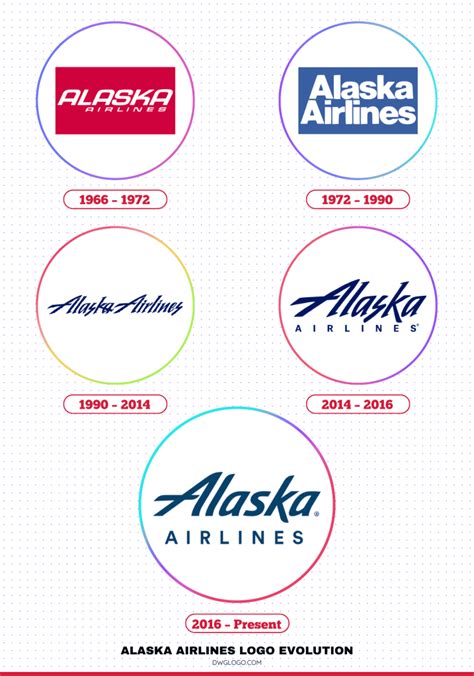
Alaska Airlines’ Iconic Logo: Evolution and Impact\n\nHey there, folks! Today, we’re diving deep into a fascinating journey, exploring the
evolution
of one of the most recognizable symbols in American aviation: the
Alaska Airlines Eskimo logo
. This isn’t just about a simple design change; it’s a story steeped in history, cultural representation, and modern brand strategy. We’re going to unpack why this iconic face has seen several transformations, what those changes signify, and the broader impact on the airline’s identity. From its humble beginnings to its sleek, contemporary look, the Alaska Airlines logo has a rich narrative that mirrors the changing world around us. So, buckle up, because we’re about to explore how this beloved symbol has stayed relevant while honoring its heritage, and what this means for the airline and its customers today. You know, guys, understanding brand evolution is super important, especially for a company with such deep regional roots as Alaska Airlines. It’s a delicate balance of maintaining tradition while embracing the future, and their logo really tells that tale.\n\n## Understanding the Roots: The Original Eskimo Logo’s Significance\n\nLet’s kick things off by traveling back in time to truly grasp the
significance
of the
original Alaska Airlines Eskimo logo
. For decades, this distinctive smiling face, often referred to as the ‘Eskimo face’ or ‘Native American chief,’ was the unequivocal symbol of Alaska Airlines. Introduced in the early 1970s, this logo wasn’t just a random artistic choice; it was deeply rooted in the airline’s connection to the unique cultural tapestry and rugged spirit of Alaska itself. The original concept aimed to embody the friendly, welcoming nature of the Alaskan people, specifically drawing inspiration from the Indigenous communities that are so central to the state’s identity. While often broadly termed ‘Eskimo,’ the face was actually a portrait inspired by Chester Kahn, an Inupiaq man from Kotzebue, Alaska. This choice was meant to celebrate the warmth, resilience, and unique heritage of the Arctic Native peoples, creating an immediate and memorable visual link between the airline and its home region.
It was an icon that said ‘Alaska’ through and through, projecting an image of friendliness and adventure that resonated deeply with travelers seeking the wonders of the Last Frontier.
The initial reception to the logo was overwhelmingly positive, solidifying Alaska Airlines’ brand identity in a highly competitive market. For many, it represented not just an airline, but a portal to the authentic Alaskan experience. This symbol, with its vibrant colors and approachable demeanor, became synonymous with reliable service and a genuine connection to the diverse cultures of the state. It proudly adorned aircraft tails, boarding passes, and marketing materials, fostering a sense of pride and recognition among both employees and passengers. Its longevity and widespread acceptance speak volumes about its initial success in capturing the essence of the airline’s mission and geographical focus. It truly became a
beloved emblem
, a visual shorthand for everything Alaska Airlines stood for, especially its commitment to serving the remote communities of its namesake state.\n\n## The Shifting Tides: Why Brand Revisions Happen\n\nSo, why do companies like Alaska Airlines embark on significant
brand revisions
and change something as iconic as their logo? Well, folks, the reasons are usually multifaceted, reflecting a dynamic interplay of market forces, evolving cultural norms, and strategic business objectives. One primary driver for an
Alaska Airlines logo change
or any major rebranding effort is the need for
modernization
. Brands, much like fashion, can start to look dated over time. A refresh can make a company appear more contemporary, forward-thinking, and relevant to a new generation of customers. Outdated visuals might signal an outdated approach to service, even if that’s not the case. Another significant factor, particularly relevant to the Alaska Airlines Eskimo logo, is the growing awareness and importance of
cultural sensitivity and accurate representation
. Terms and imagery that were once considered acceptable can, over time, become viewed as problematic, stereotypical, or even offensive. As society evolves and our understanding of diverse cultures deepens, companies have a responsibility to adapt their messaging to be inclusive and respectful. This isn’t just about avoiding controversy; it’s about building a brand that genuinely connects with and honors its entire customer base and the communities it serves. Think about it, guys, a brand’s visual identity needs to reflect its values, and if those values include respect and inclusivity, the logo must align. Furthermore,
market competition
often plays a crucial role. In the highly competitive airline industry, standing out is paramount. A brand refresh can help an airline differentiate itself, signal a new phase of growth or a renewed commitment to customer experience, and attract new demographics. It can also mark significant business milestones, such as mergers, expansions, or strategic shifts. For Alaska Airlines, this could mean signaling their evolution from a regional carrier to a major national player, expanding their routes and services. Lastly, internal factors, such as a desire to unify different brand elements or to project a stronger, more cohesive corporate identity, can also prompt a logo overhaul. Ultimately, a carefully planned brand revision isn’t just a cosmetic change; it’s a strategic investment aimed at strengthening brand perception, enhancing customer loyalty, and ensuring long-term business success. It’s about staying agile and responsive in an ever-changing world, making sure that your visual identity continues to communicate exactly who you are and what you stand for, ensuring the
Alaska Airlines brand identity
remains robust and appealing to travelers. These changes are vital for maintaining relevance and ensuring the brand continues to resonate with a broad and diverse audience in today’s global landscape, demonstrating a proactive approach to their market presence and their commitment to contemporary values.\n\n## The Big Reveal: Alaska Airlines’ Modern Brand Identity\n\nFast forward to the mid-2010s, and Alaska Airlines made a bold move, initiating a significant
rebranding effort
that culminated in the unveiling of its
modern brand identity
in 2016. This wasn’t just a tweak; it was a comprehensive overhaul designed to propel the airline into the future while still nodding to its rich heritage. The most noticeable
Alaska Airlines logo change
focused squarely on the beloved Eskimo face, affectionately known as the
